Philippines Declares National Emergency
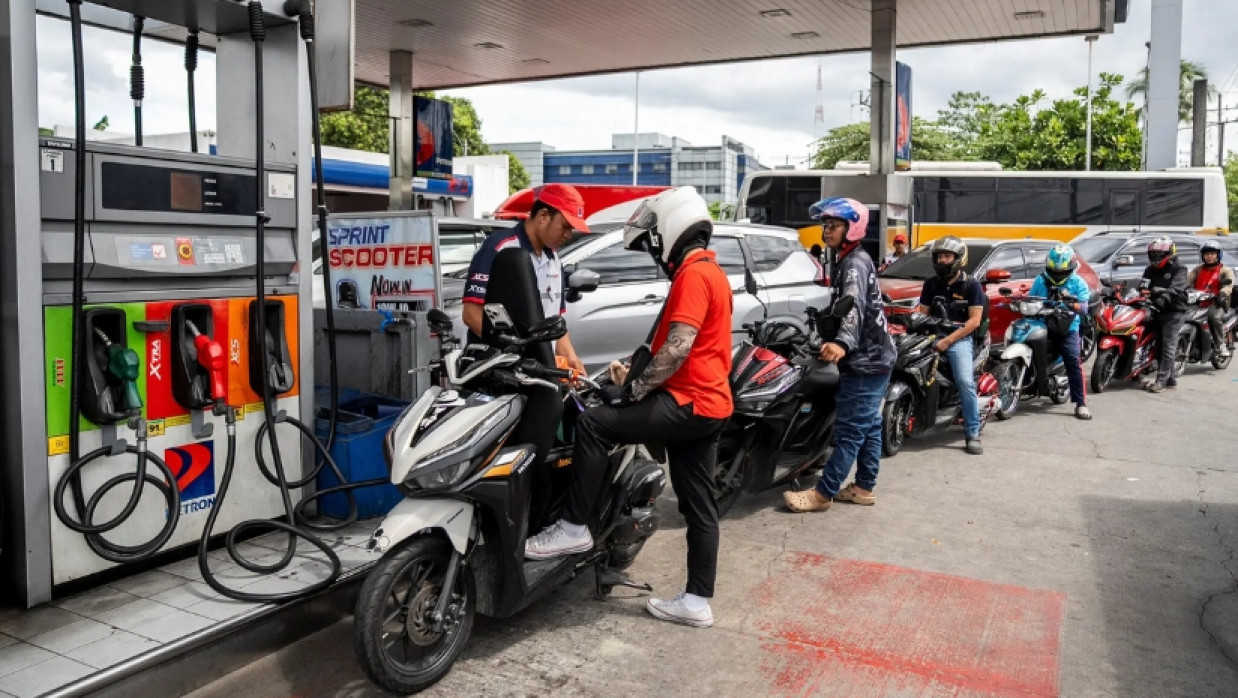
The Philippines has declared a national energy emergency due to severe concerns over fuel supply disruptions caused by the ongoing war between Iran, the United States, and Israel, and the near-total closure of the Strait of Hormuz.
On Tuesday (24 March), Philippine President Ferdinand Marcos Jr. issued an executive order declaring the emergency. He warned that the availability and stability of the country’s fuel supply is now facing “imminent danger.” The war has caused a major shock to global energy markets, sharply affecting both the supply and price of oil.
The government statement said the emergency will remain in effect for the next one year, unless the President decides to lift or extend it. The declaration grants the government legal authority to take strict measures to ensure fuel stability and protect the overall economy.
Because the conflict has effectively closed the Strait of Hormuz, a major global energy supply route, the Philippines — which imports nearly 98% of its fuel oil from the Gulf region — has seen petrol and diesel prices more than double since the war began on 28 February.
To manage the situation, President Marcos Jr. has formed a special committee to oversee the supply and equitable distribution of fuel oil, food, medicine, and other essential commodities. The government has also gained the power to directly purchase and stockpile fuel oil and petroleum products.
The decision includes strict measures for fuel conservation, subsidies to reduce transportation costs, and strong action against hoarding and artificial shortages.
Additionally, the President announced financial assistance of 5,000 pesos (about $83) for motorcycle taxi drivers and transport workers affected by rising fuel prices. Special welfare programmes for farmers, fishermen, and other working-class people were also mentioned.
At the same time, Energy Secretary Sharon Garin said the country currently has about 45 days of fuel reserves. She noted that due to rising prices of liquefied natural gas (LNG), there may be a temporary increase in reliance on coal-based power plants.
The declaration has also drawn reactions from political and labour circles. The major labour coalition Kilusang Mayo Uno (KMU) called the emergency declaration an admission of government failure. The group alleged that the government had earlier claimed the situation was normal but has now suddenly declared an emergency.
KMU further complained that some provisions in the executive order could disrupt economic activities and might be used to limit workers’ right to protest or strike.
On the other hand, Manuel V. Pangilinan, chairman of a major business group, supported the government’s emergency powers. He said the impact of rising fuel prices has already begun to affect business operations, and the government should keep all options open to address the situation.
Meanwhile, the transport workers’ alliance PISTON has announced a two-day strike on Thursday and Friday in protest against rising fuel prices. Their demands include the abolition of fuel taxes, reduction in oil prices, fare increases, and wage hikes for workers.
Since the start of the Middle East conflict, the government has taken steps such as providing subsidies for transport drivers, reducing ferry services, and introducing a four-day workweek for government employees to conserve fuel.
 Follow The Daily Campus on Google News