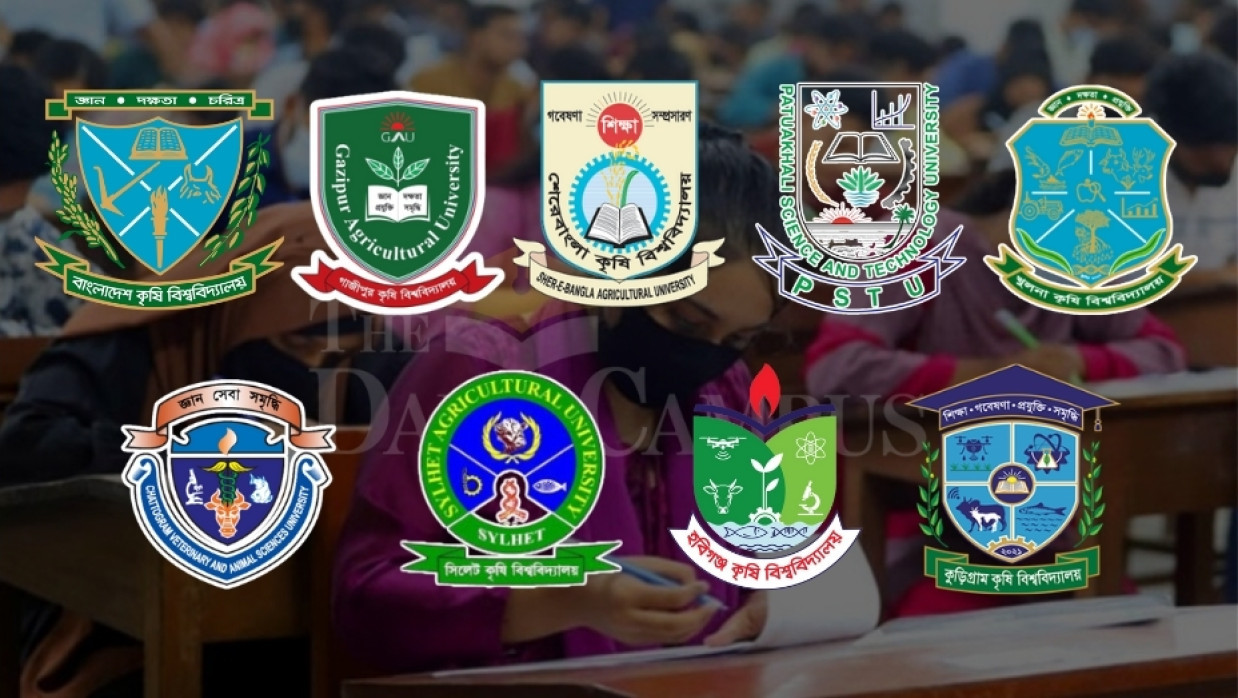
Agricultural Cluster Admission Test Set for February; UGC Considers Creative Questions
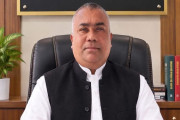
The University Grants Commission (UGC) has initiated efforts to reform the agricultural cluster admission system to fill all first-year seats and ensure that academic activities are completed within the stipulated timeframe. UGC Chairman Professor Dr Mamun Ahmed has proposed forming a committee comprising vice-chancellors of agricultural universities to improve the quality of admission tests and reduce delays in the admission process.
The proposed committee will recommend measures to improve the quality of admission questions, assess students’ actual merit, fill all available seats and ensure that academic activities begin and end on schedule from the 2027-28 academic year. The UGC chairman has asked the vice-chancellors of agricultural universities to submit recommendations for the proposed committee. He made the proposal at an exchange of views with vice-chancellors of the country's agricultural universities at the UGC on Sunday (November 15).
The meeting was informed that admission activities for first-year undergraduate programmes under the agricultural cluster for the 2026-27 academic year are planned to begin in January, with the admission test scheduled for February.
The vice-chancellors said around 100,000 students sit for the agricultural cluster admission test every year. However, completing admissions from waiting lists and the subject change or migration process takes around four months. This creates difficulties in filling seats, particularly at newly established agricultural universities, and delays the start of academic activities.
The UGC chairman said no seats should remain vacant because of delays in the admission process. Academic activities must begin and end within the stipulated timeframe. He said admission questions should be designed to assess students’ subject knowledge, actual merit and analytical skills, adding that effective measures to improve the admission system must be taken from the 2027-28 academic year.
The meeting also discussed introducing creative questions alongside multiple-choice questions, assessing students’ analytical abilities and determining the weight assigned to GPA results in the SSC and HSC examinations.
Vice-chancellors also stressed the need to modernise and harmonise the curricula of agricultural universities. They proposed developing common guidelines for designing and updating agriculture-related curricula and ensuring consistency among agricultural degrees. They also recommended including courses on career development, research methods and mathematics to better prepare students for professional careers.
The UGC chairman said universities must strengthen their engagement with industries to make higher education curricula modern and employment-oriented. Representatives of industries should be involved in curriculum development and revision, he said. He added that the UGC would seek information on the steps universities have taken to modernise their curricula for the next academic year.
Professor Mamun Ahmed called for universities to identify and address their problems through research. He said issues including admission system reform, teacher shortages and curriculum modernisation should be examined through research, stressing that universities must identify solutions rather than merely highlight problems. He asked vice-chancellors to submit research project proposals.
The UGC will support universities through separate research allocations, joint initiatives with industries and efforts to put research findings into practical use, he said.
The chairman said universities should not focus solely on publishing research papers in Q1 and Q2 journals, but should prioritise practical research that addresses real problems in the country's agriculture, economy and society.
Noting that research by agricultural universities over the past 50 years had brought positive changes to the country's economy and social life, he said universities must also rely on research to resolve their own institutional problems. The UGC is closely monitoring higher education and research activities, he added.
The meeting also discussed teacher shortages at agricultural universities, particularly recruitment at the four newly established institutions. Some vice-chancellors proposed introducing a centralised recruitment examination for teachers. Other proposals included temporarily assigning qualified teachers from other universities to fill vacancies through one-year fellowships and engaging experienced retired teachers.
The meeting also discussed involving expatriate Bangladeshi teachers working at foreign universities in teaching at home. Participants highlighted the need for a policy setting out arrangements for their leave, airfare, honorariums and terms of service. They also stressed the importance of basic training for newly recruited teachers and improving their professional skills.
The UGC chairman said the commission planned to expand internship opportunities for all university students within the next five years. He stressed that internships should be mandatory and paid, while participation from industries and employers should be ensured instead of relying solely on government funding. He advised universities to strengthen coordination with industries to achieve this goal.
The UGC chairman also expressed concern over the weak link between higher education and employment. Referring to the World Bank's recently published report, Demographic Change in South Asia: From Tailwinds to Headwinds for Development, he said more than 60 per cent of young people in Bangladesh with graduate degrees were being forced to work in the informal sector because they could not find jobs matching their qualifications.
He said the situation was creating frustration and resentment among young graduates. Addressing the challenge requires improving the quality of higher education, developing employment-oriented skills, strengthening research and expanding links between universities and industries, he said. He also stressed the need to inform students and teachers about government initiatives in this regard.
UGC members Professor Dr Masuma Habib, Professor Md Abdullah Al-Mamun and Professor Dr Md Aslam Hossain, UGC Secretary Dr Md Fakhrul Islam, Public University Management Department Director Mohammad Jaminur Rahman and other relevant officials attended the meeting. Vice-chancellors of 10 agricultural and agriculture-focused universities also took part.
 Follow The Daily Campus on Google News