Writ Dismissed, Admission Tests Mandatory for School Enrolment
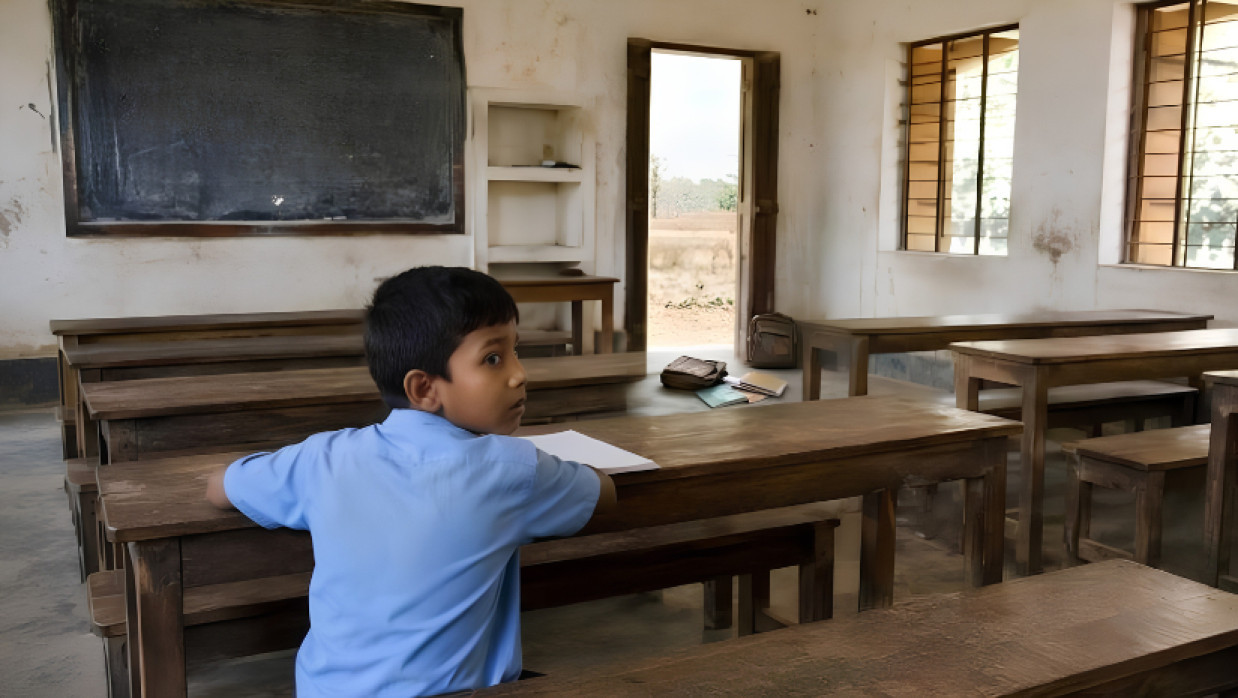
The High Court has dismissed a writ petition challenging the government's decision to reintroduce admission tests for secondary schools, meaning students seeking admission from Class II to Class IX in the 2027 academic year will have to sit for the tests.
A High Court bench comprising Justice Shikder Mahmudur Razi and Justice Fatema Anwar passed the order on Sunday (November 15).
The writ was filed on October 7, challenging a government notification introducing admission tests at educational institutions across the country for the 2027 academic year. Minhaz Uddin Ahmed, executive director of the Movement for Human Rights and Good Governance Foundation, filed the petition.
The petition named the secretaries of the Education Ministry and the Ministry of Primary and Mass Education, the director general of the Directorate of Secondary and Higher Education (DSHE), and a deputy secretary of the directorate as respondents.
Advocate Zahid Talukder appeared for the petitioner during Sunday's hearing, while Deputy Attorney General Nur Mohammad Azmi represented the state.
After the writ was filed, Talukder said the government had introduced a digital lottery system in 2021 for admission to government schools from Class I to Class IX, replacing admission tests.
After coming to power, however, the BNP government decided to scrap the lottery system and reintroduce admission tests at schools. Education Minister Dr ANM Ehsanul Haque Milon announced the decision at a press conference on March 16, and the ministry issued a notification on the same day.
A subsequent revised notification clarified that admission to Class I would be conducted through a lottery, while students seeking admission to Classes II to IX would have to sit for admission tests.
Talukder said the education minister's announcement to abolish the existing lottery system for admission to public and private secondary schools had triggered widespread debate.
"After the education minister announced the abolition of the existing lottery system for admitting children to government and private secondary schools, intense debate broke out. Educationists said the move would lead to a resurgence of the coaching business and subject young students to mental pressure in the name of admission tests."
He further argued that the government's decision to abolish the lottery system had not been based on adequate research, data or proper assessment, and had been taken unilaterally without consulting stakeholders.
"The government's decision to abolish the lottery system was not based on adequate research, data or proper assessment. It was taken unilaterally without consulting stakeholders. Admission tests at the school level will create social inequality, as children from low-income families will fall behind because their families cannot afford coaching or private tutors."
 Follow The Daily Campus on Google News