Govt Announces Reopening Date for St Martin’s Island
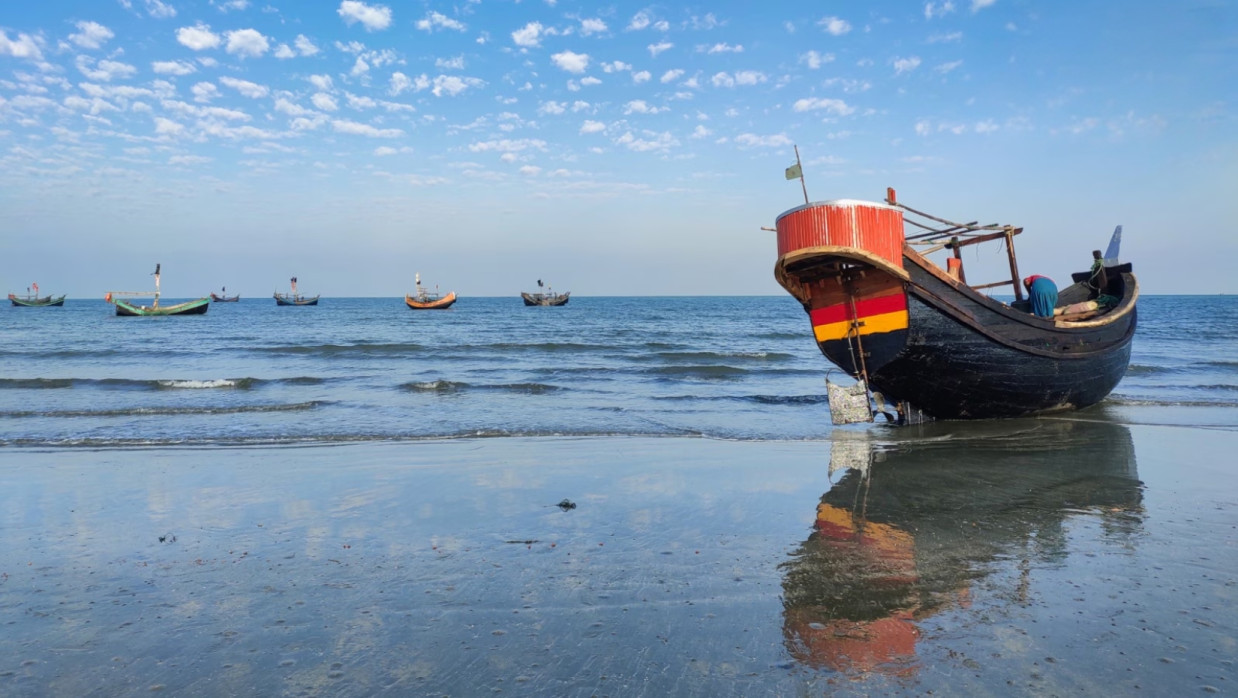
The government has announced November 1 as the scheduled date for reopening St Martin’s Island to tourists for the 2026-27 tourism season, following a nine-month closure aimed at protecting the country’s only coral island.
The island, located in the Bay of Bengal off the coast of Teknaf in Cox’s Bazar, is expected to receive up to 2,000 visitors a day under existing tourism guidelines. However, the government has said it will review the tourism season’s duration, daily visitor limit and departure point for tourist vessels.
Environment, Forest and Climate Change Minister Abdul Awal Mintoo said on October 12 that the government would reconsider the arrangements, taking into account the island’s fragile ecosystem, biodiversity, tourist safety and transport management. The issue was discussed at an inter-ministerial meeting at the Secretariat.
Under the existing guidelines, tourists may visit the island for day trips in November, but overnight stays are not allowed during that month. Overnight stays are permitted in December and January, while tourist access is scheduled to remain suspended throughout February. The government has said the existing rules will be reviewed and further decisions announced later.
Tourists must follow environmental protection rules, including restrictions on single-use plastics, polythene, beach barbecues, loud noise and activities that could harm marine life. Visitors are also required to obtain tickets with travel passes and QR codes through the Bangladesh Tourism Board’s authorised online portal. Tourist vessels must receive the necessary approvals before operating to the island.
The restrictions are intended to reduce pressure on the island’s coral ecosystem, which has been affected by pollution, uncontrolled tourism and other human activities. At the same time, the prolonged closure has affected local businesses and residents who depend on tourism for their livelihoods.
 Follow The Daily Campus on Google News