165th Birth Anniversary of Rabindranath Tagore
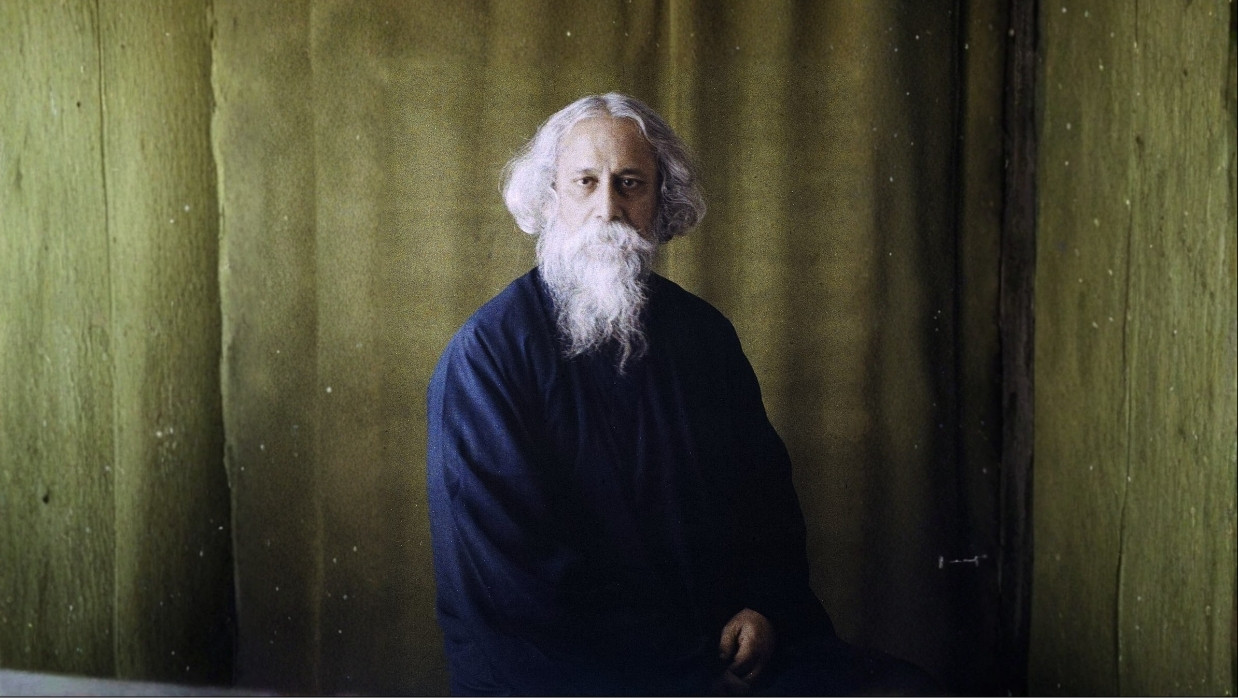
Today marks the 165th birth anniversary of the legendary "Biswakabi" Rabindranath Tagore, the towering figure whose literary genius redefined Bangla literature and the cultural identity of the Indian subcontinent. Born on May 7, 1861 (25 Baishakh, 1268) at the Jorasanko mansion in Kolkata, Tagore remains a primary architect of modern Bengali thought and artistic expression.
The Prime Minister’s Office (PMO) issued a profound tribute to the poet, describing him as the "supreme voice of Bengali literature." In a formal statement, the PMO conveyed deep respect to his immortal memory and prayed for the eternal peace of his soul, noting that his vision of world peace and human welfare remains the core of his creative legacy.
Tagore’s literary corpus is vast and multi-faceted, encompassing timeless novels like Gora and Shesher Kobita, celebrated short stories such as Kabuliwala, and revolutionary plays like Raktakarabi. As a composer, he created over 2,000 songs—collectively known as Rabindra Sangeet—which continue to shape the musical soul of the region.
The PMO’s tribute highlighted that Tagore's unique artistic skill in celebrating humanity, peace, and nature serves as an invaluable asset to our culture. It specifically noted that the "narrator of the common man's pain" found in Tagore’s works was deeply shaped by his time in East Bengal, which is present-day Bangladesh.
The significance of Tagore in the national life of Bangladesh is unparalleled. His songs served as a vital source of inspiration during the Great Liberation War of 1971. Today, his composition "Amar Sonar Bangla, Ami Tomay Bhalobashi" stands as the National Anthem of Bangladesh, symbolizing an eternal bond between the poet and the nation.
Tagore gained global acclaim in 1913 when he became the first Asian to be awarded the Nobel Prize in Literature for Gitanjali. This spiritual and lyrical masterpiece brought the mystical-idealist spirit of Bengal to the world stage, establishing him as a global philosopher of non-violence and pluralism.
In the context of contemporary global conflicts and the rise of extremism, the PMO stated that Tagore’s ideologies have become more relevant than ever. His call for universal brotherhood and his efforts to bridge the gap between nations through reason and empathy offer a path toward healing in a world "scarred by war and tears."
Tagore’s contributions also extended to educational reform through the founding of Visva-Bharati University and Santiniketan. He advocated for a holistic approach to education—balancing academic study with practical learning—and consistently urged the opening of the "windows of the world" to enlighten the next generation. The government expressed its sincere expectation that the anniversary celebrations across the country would be conducted with grace and solemnity.
 Follow The Daily Campus on Google News