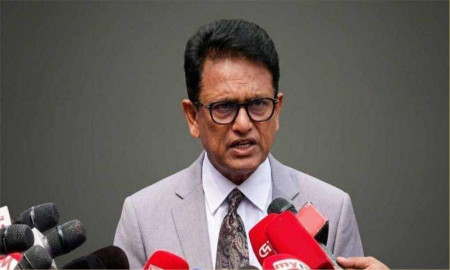
South Asian Youth Lead Climate Diplomacy and Collective Action in Nepal
South Asian nations, including Bangladesh, are facing the harsh realities of climate change. From unseasonal floods and intense heatwaves to rising sea levels, these environmental crises are part of daily life for millions in the region. Despite contributing negligibly to global greenhouse gas emissions, these developing countries bear the brunt of the damage, while developed nations continue to expand their carbon footprint and delay financial compensation.
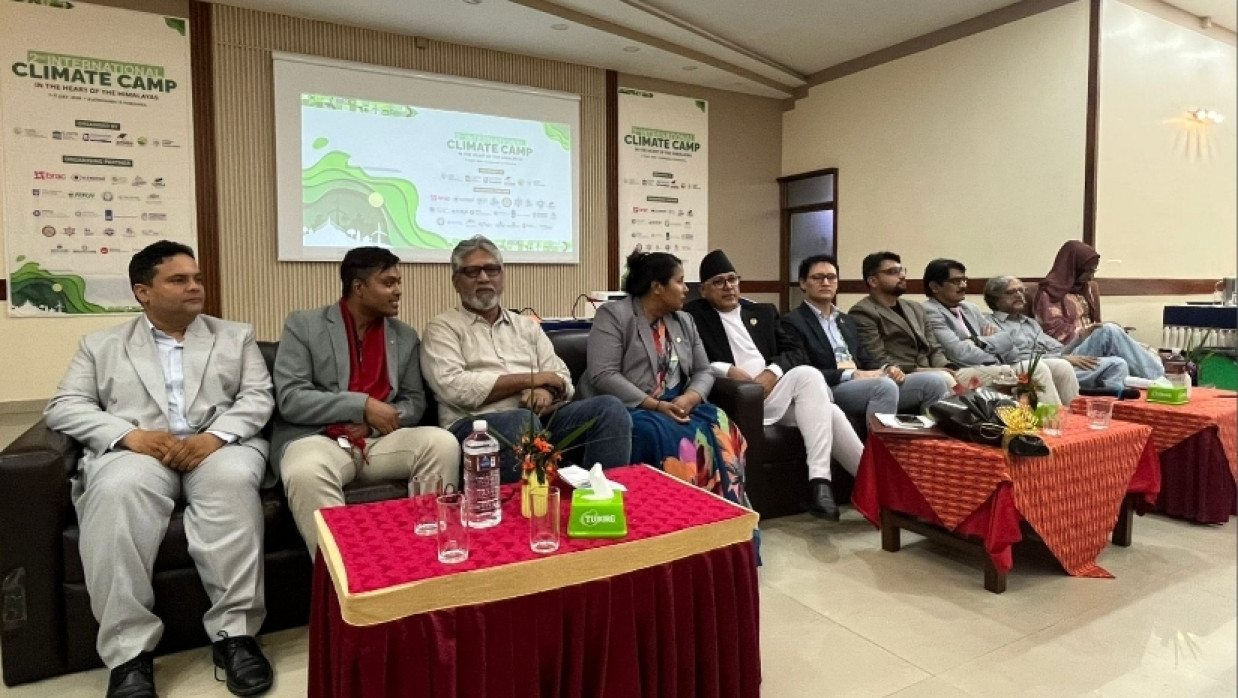
Against this backdrop of regional and global crisis, the five-day Second International Climate Camp 2026 has commenced in Nepal to foster climate leadership, regional cooperation, and sustainable development. Running from July 7 to July 11 across Kathmandu and Pokhara, the massive event brings together over 150 young climate activists, researchers, students, and environmental representatives from various countries, including Bangladesh, Nepal, and Pakistan.
The climate camp was officially inaugurated on Tuesday evening at the Walnut Bistro in the heart of Kathmandu. Addressing the session as the chief guest, Nepal's Minister for Agriculture, Forestry, and Environment, Gita Choudhury, expressed strong dissatisfaction with the developed world's historical inertia.
She emphasized that seeking climate support from developed nations is a fundamental right rather than an act of charity. She noted that since developed countries freely pollute the environment, they must bear the historical responsibility of paying compensation, adding that regional camps are crucial for building the necessary unity among affected nations to claim their fair share globally.
Special guest Dr. Arjun Karki, a member of the Nepalese Parliament and Chairman of APMDD, noted that climate change respects no geographic boundaries, making it impossible for any single country to resolve this pandemic-like crisis alone. He emphasized that regional cooperation, joint investments, knowledge sharing, and mutual assistance are vital to protecting the lives of people across South Asia.
The High Commissioner of Bangladesh to Nepal, Salahuddin Noman Chowdhury, highlighted the severe geographical and climate vulnerabilities faced by Bangladesh. He noted that climate change is no longer a theoretical topic confined to air-conditioned seminar rooms but a cruel reality for riverine and coastal nations where people lose their homes daily and lands lose fertility due to salinity.
The diplomat emphasized that South Asian nations must prioritize technology and information exchange to strengthen adaptation processes alongside carbon reduction. He added that international camps provide an excellent platform for young minds and experts to exchange strategies and build critical skills.
Several South Asian environmental organizations are driving the initiative, with Bangladesh's Mission Green Bangladesh serving as a key coordinator. Discussing the objectives of the event, the organization's Executive Director, Ahsan Roni, stated that the primary goal is to establish a long-term network among South Asian youth. He explained that instead of merely reading about neighboring environmental crises in the media, young activists are sharing firsthand experiences to prepare themselves for future leadership roles in policy-making.
The five-day itinerary combines theoretical seminars on climate science, leadership, and policy dialogue in Kathmandu with field visits to Pokhara. In Pokhara, the delegation will step outside the classroom to observe the physical impact of climate change on nature firsthand. With the South Asian Association for Regional Cooperation (SAARC) remaining largely inactive, this youth-led initiative introduces a fresh dimension to regional climate diplomacy, offering a new avenue for collective action and sustainable adaptation.
 Follow The Daily Campus on Google News