Light Fog in the North, Winter Chill to Set In After September 21
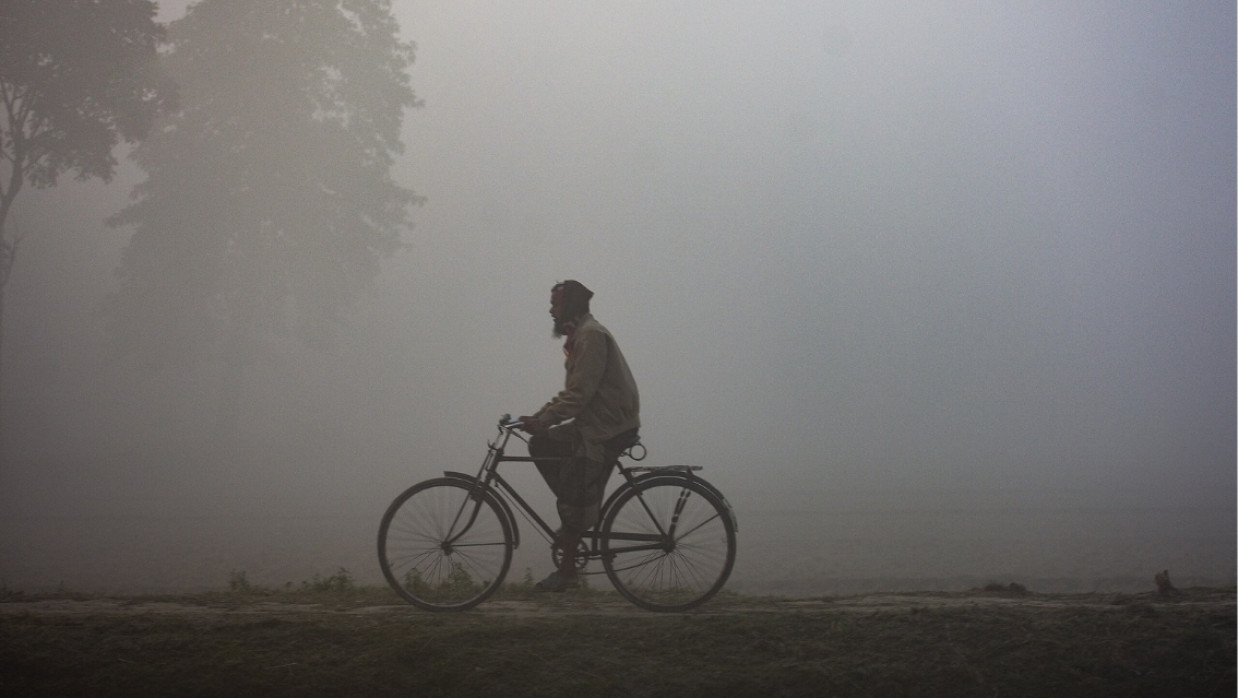
Light fog has started appearing in parts of northern Bangladesh in the early morning and evening, signalling the gradual transition towards the winter season, meteorologists say. However, the appearance of fog does not mean winter has already arrived. In Bangladesh, winter is generally considered to cover December, January and February, while its early signs begin to emerge from late September.
Meteorologist Mohammad Shahinul Islam told The Daily Campus that the country starts experiencing a winter-like feel even before the monsoon fully withdraws. Northern areas can see light fog because temperatures there are relatively lower than in Dhaka and southern parts of the country.
“This fog is not as persistent or influential as winter fog,” he said. Fog may appear in the evening, at night or in the early morning, but it can disappear quickly after sunrise.
He explained that daytime temperatures are still close to 35 degrees Celsius in many areas, while during winter the daytime maximum temperature in northern Bangladesh generally falls to around 25 to 26 degrees Celsius.
Why winter is not here yet
The transition to winter does not happen suddenly. Changes in wind direction, temperature and the length of the day gradually create the conditions associated with the season.
According to Shahinul, one of the conditions for winter is the increasing flow of cooler air from the north. Some northerly winds have already started reaching Bangladesh, but the influence of the monsoon has not completely ended. Moist air from the south is still present.
September 21 or 22 marks the autumnal equinox, when day and night are nearly equal in length. After that, the length of daylight gradually decreases as the Sun's apparent position shifts southward.
As Bangladesh is located in the Northern Hemisphere, the reduction in daylight after the September equinox contributes to the gradual seasonal transition towards winter.
Shahinul said the changing position of the Sun also affects evaporation and atmospheric circulation. As winter approaches, the flow of relatively cooler air from the north becomes more pronounced, while moist air continues to influence the country from the south.
The interaction between these air masses can contribute to lower temperatures in northern areas and the formation of light fog during the night, early morning and evening.
Northern fog is an early sign, not winter
Light fog in areas such as Nilphamari, Sirajganj and other northern districts during late September can be considered an early indication of the approaching winter, Shahinul said. However, such fog is generally short-lived at this stage. It may form during the late night or early morning and disappear quickly as sunlight intensifies.
Winter fog behaves differently because lower temperatures can allow it to become denser and last longer.
“Winter does not suddenly begin. A certain atmosphere develops beforehand. That atmosphere is gradually forming now,” Shahinul said.
He said the increasing northerly winds, shorter days, changing temperatures and atmospheric moisture are collectively contributing to the seasonal transition, although it will take more time for these changes to develop into full winter conditions.
Temperature differences across the country
Recent weather data also show differences in temperatures between various parts of the country.
According to data from the Bangladesh Meteorological Department cited by Shahinul, the highest temperature recorded the previous day was 36.5 degrees Celsius in Feni, while the lowest was 24 degrees Celsius in Bandarban.
Meteorologists say the light fog in northern areas should therefore be viewed as part of the gradual seasonal transition rather than evidence that winter has already arrived. For now, the country remains in the transition period between the monsoon and winter, with clearer signs of the colder season expected to emerge gradually in the coming weeks.
 Follow The Daily Campus on Google News