Environmental Journalism on Campus: Unexplored or Underdeveloped?
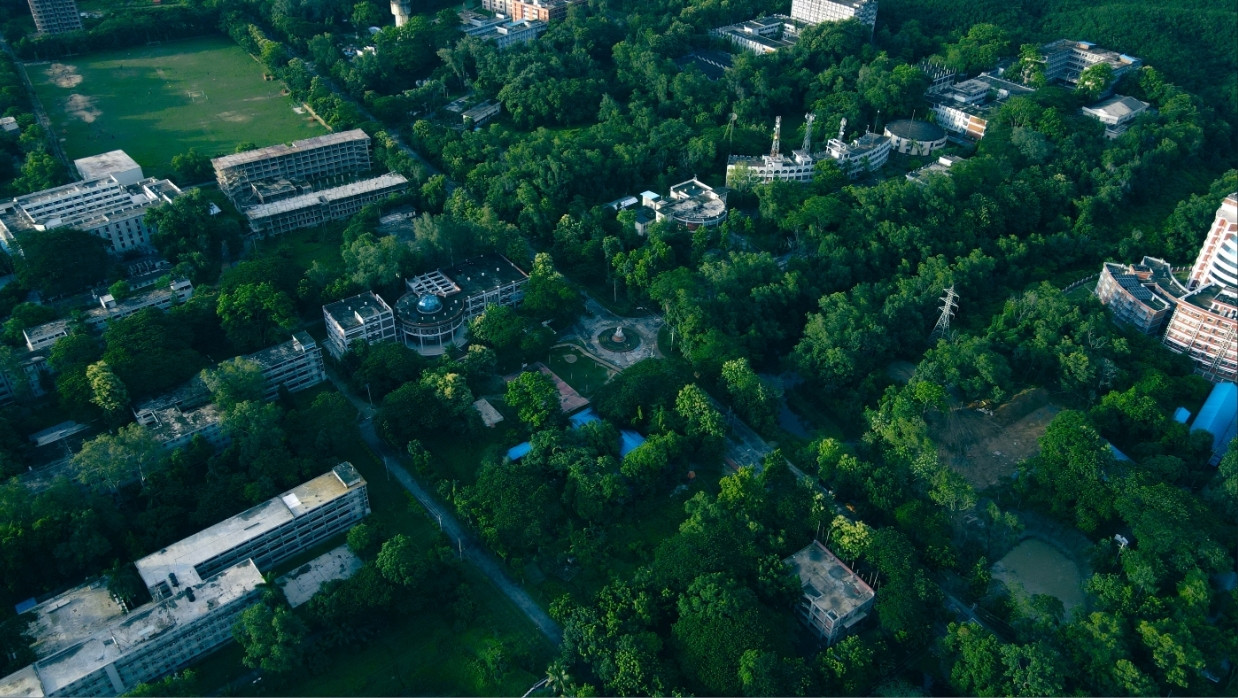
University campuses in Bangladesh sit at a unique intersection of nature and development, shaped directly by the stark realities of a climate-vulnerable nation. As these academic institutions expand with modern facilities and new infrastructure, local landscapes alter significantly, forcing nature to quietly adapt to rapid development.
Within this shifting environment, campus journalism serves as a crucial lens for understanding local ecological changes. For young campus reporters, these environmental transitions represent more than just changes to observe; they are critical issues to report, analyze, and use to make a tangible difference.
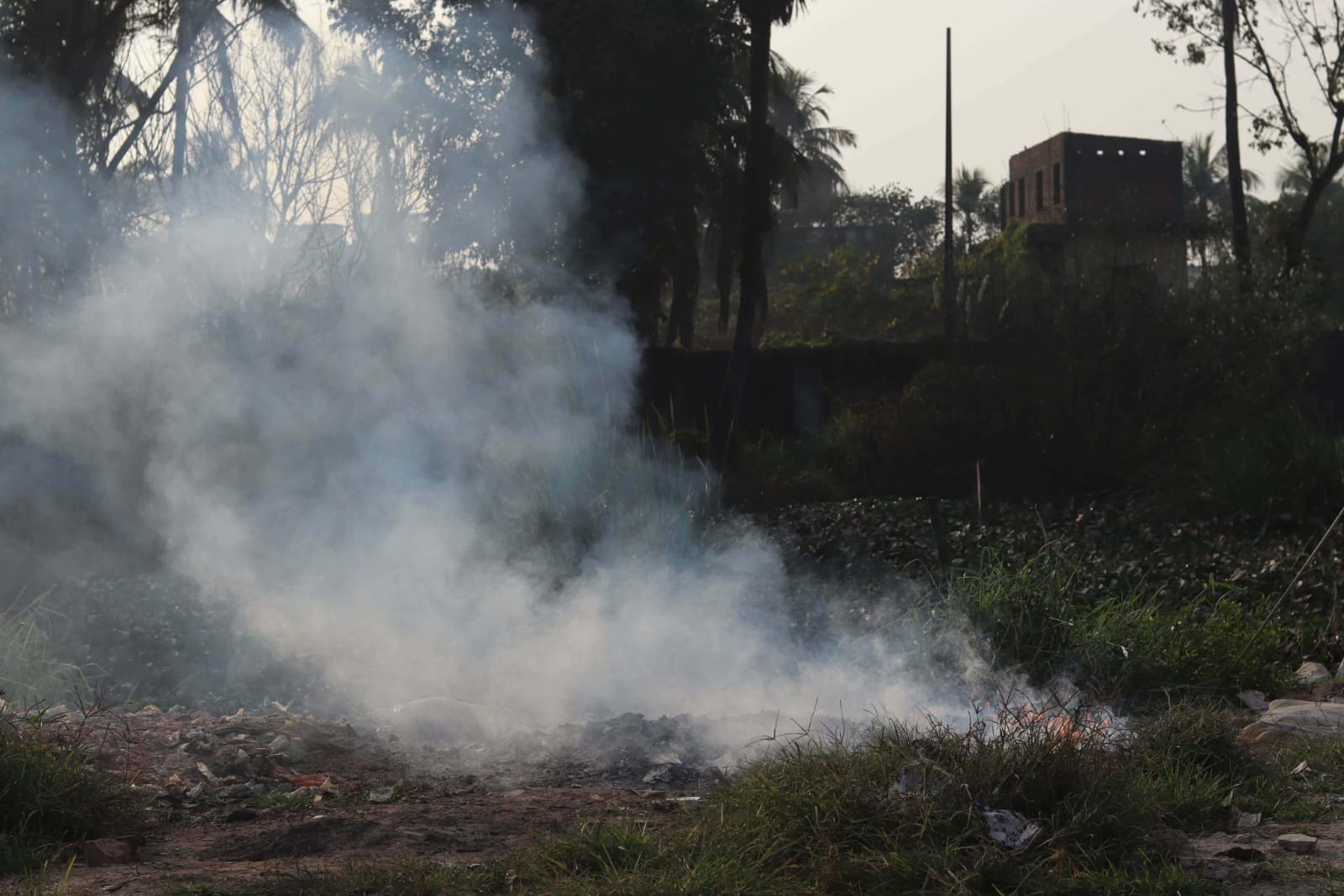
By practicing environmental journalism on campus, student reporters have the unique opportunity to hone their investigative storytelling skills. This specialized reporting helps explain how environmental and climate issues directly impact university life, allowing the student body to connect local campus realities with broader global ecological challenges.
Across most universities, however, journalism is voluntarily practiced by individuals documenting and analyzing information, even though the vast majority of these practitioners have never received formal journalism training. This operational reality raises serious questions about sustainability, shifting the core issue from whether environmental stories exist on campuses to whether student journalists possess the necessary space, resources, and institutional support to actually tell them.
Why Awareness Stops at Description
Campus Press Clubs and Campus Journalists' Associations across universities hold the primary responsibility of circulating local news to national newspapers and digital portals. Through their reports, the public is informed about various environmental activities initiated by university administrations.
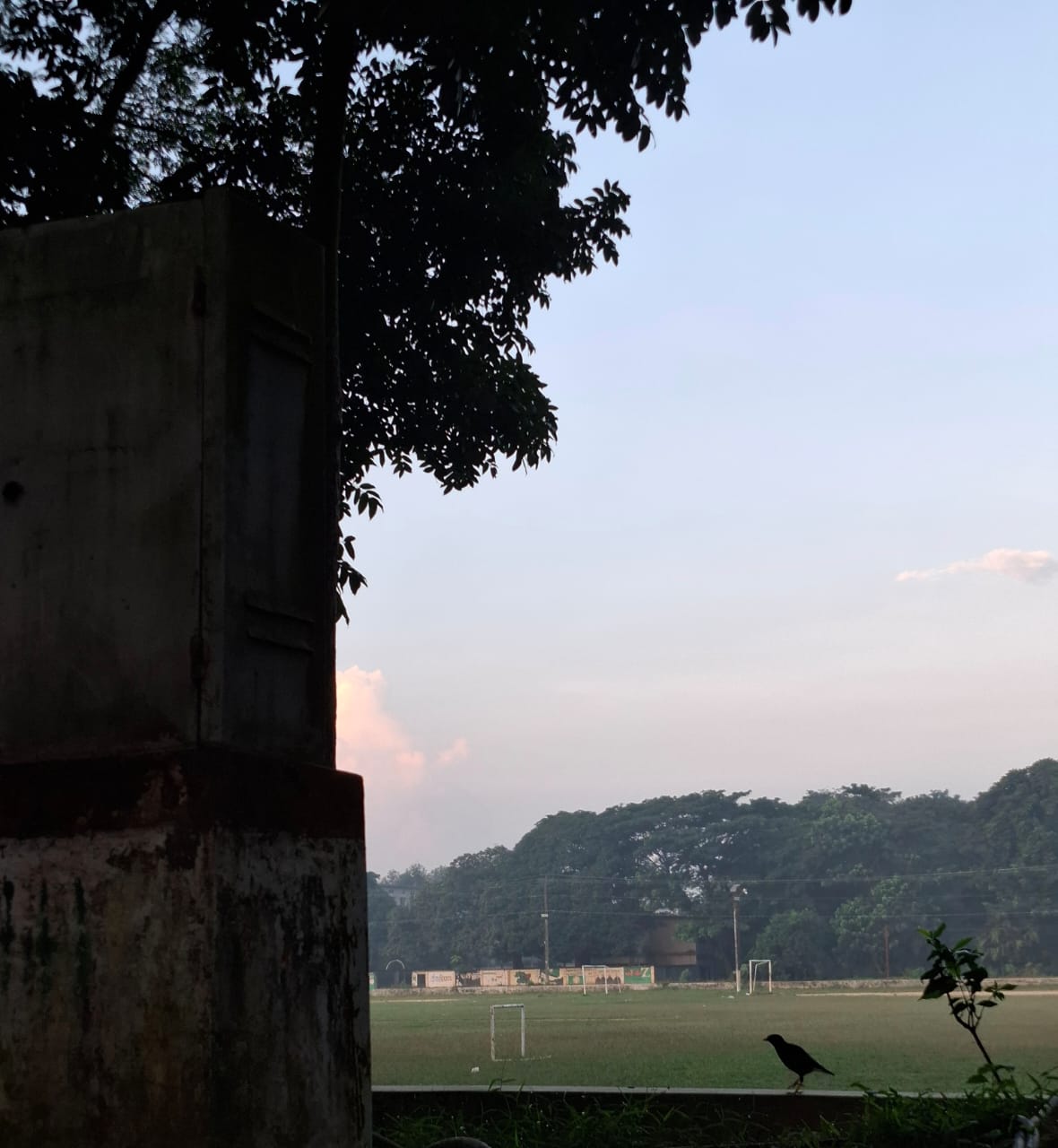
However, this news coverage remains largely descriptive and celebratory, heavily lacking ecological context, comparative discussions, constructive analysis of long-term impacts, and expert opinions. The current output effectively tells readers what happened, but consistently fails to explain why it truly matters.
Campus journalists face significant barriers, including limited environmental knowledge, a lack of access to expert input, severe time constraints, and a general tendency within newsrooms to prioritize immediate visibility over deep analysis—factors that routinely discourage freshman campus journalists from kickstarting environmental reporting.

This analytical gap becomes even more critical when considering the natural habitats existing within universities. Campuses frequently shelter rare plants, migratory birds, or fragile ecosystems that depend entirely on these isolated green spaces.
Proper environmental reporting should explain how these biological systems function, how human activities affect them, and how communities can implement better conservation strategies. Unfortunately, journalists continuously struggle with a lack of mentorship, limited training in scientific writing, and immense difficulty in translating complex scientific data into engaging public stories.
The Challenge of Accountability and Investigative Reporting
Investigative environmental journalism on campus goes far beyond surface-level reporting on issues like pollution sources, unmanaged waste systems, biodiversity loss, or the ecological consequences of campus development. It requires digging deep, analyzing environmental data, uncovering hidden institutional impacts, and holding authorities accountable through empirical evidence, such as public feedback and survey results. This form of accountability journalism evaluates existing solutions and holds institutions responsible by critically reviewing policies, governance decisions, and sustainability commitments.
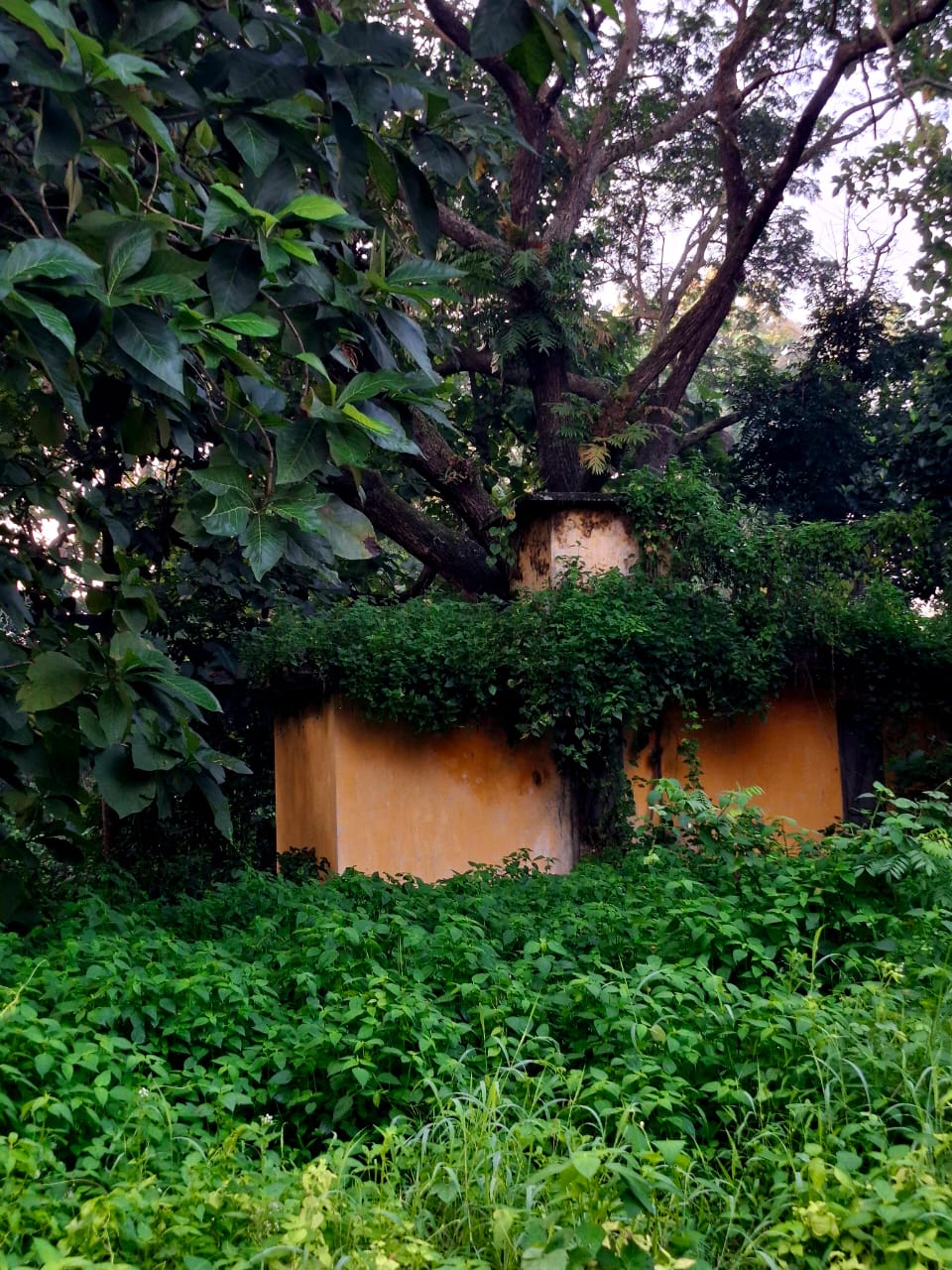
However, pursuing this path places campus reporters at the center of highly sensitive, immediate institutional issues, where the line between journalism and activism is frequently blurred. Laura Rocha, President of Periodistas por el Planeta, points out that journalists are often falsely accused of activism simply for covering environmental degradation. She argues that covering controversial environmental stories does not make a reporter an activist, provided they maintain credibility by thoroughly covering all perspectives to tell the full story.
Echoing this sentiment, Patrick Greenfield, a biodiversity and environment reporter with The Guardian, highlights that journalistic credibility depends entirely on understanding and explaining all viewpoints. He notes that reporters must also critically explore why environmentally damaging practices, such as fossil fuel dependency, continue globally despite their known impacts.
Navigating Scientific Complexity and Solutions
Environmental journalism faces the complicated task of navigating the intersection of scientific issues and institutional policy while keeping the public responsibly informed. It demands the ability to make dense, complex topics understandable for a general audience while maintaining strict impartiality and transparency. Leo Hickman, editor of Carbon Brief, emphasizes that journalists must prioritize transparency and actively avoid "false balance," ensuring they clearly demonstrate how evidence was gathered while keeping a sharp distinction between objective news and personal opinion.
To break down these complicated structural decisions, Sven Egenter of CLEW underscores the necessity of engaging with multiple experts and stakeholders to explain how environmental systems actually work. Furthermore, Laura Rocha stresses that collaboration with scientists and specialist journalists is vital to overcoming the challenges of translating scientific and climate-related data for the public.
By adopting these rigorous methodologies, campus journalists can look past the damage and focus on solution journalism, analyzing the actual efficacy of environmental solutions implemented across different universities. Featuring these success stories can constructively shape the perception of local communities and raise genuine ecological awareness.
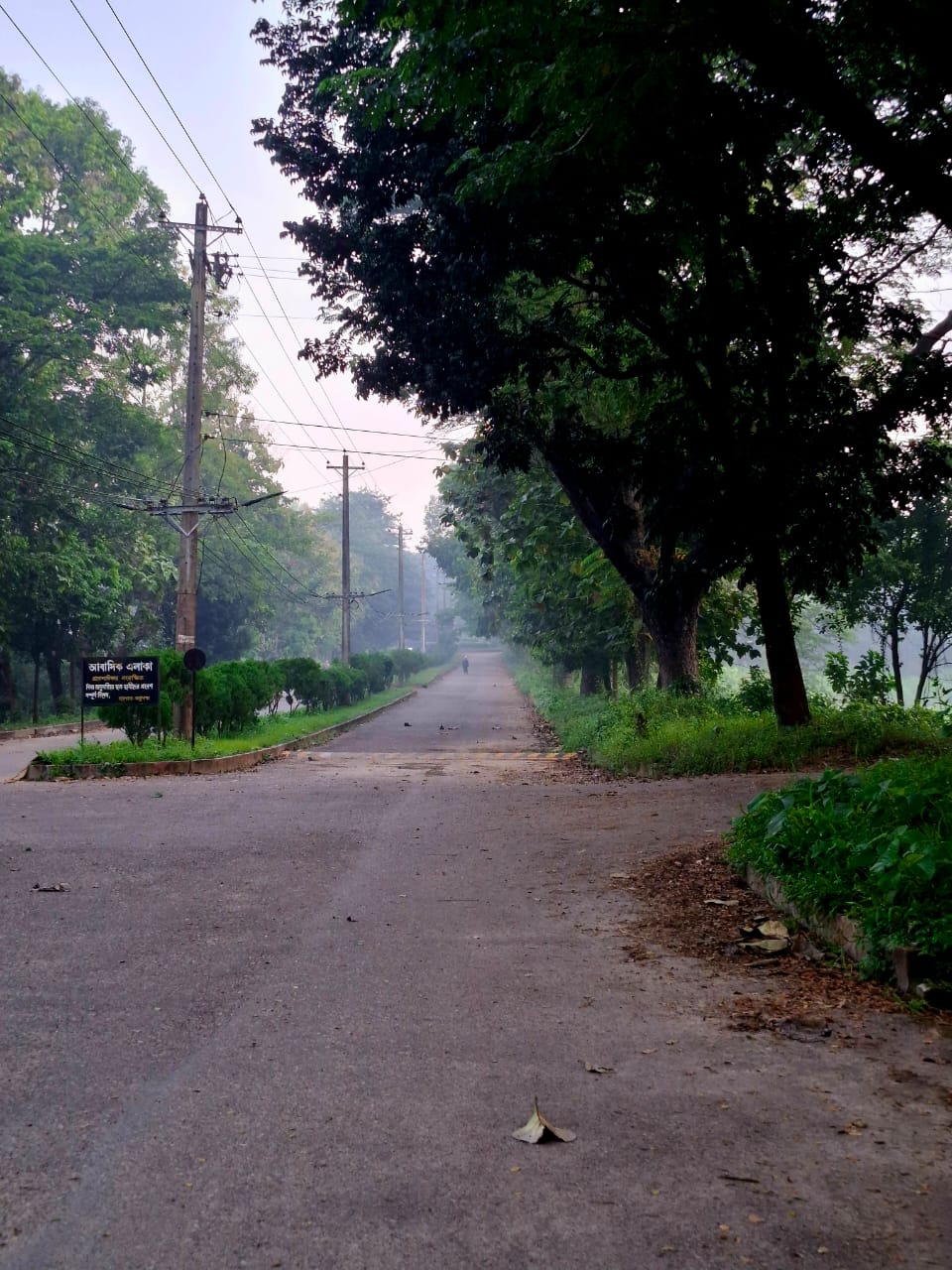
In Bangladesh, student journalists often struggle with this approach due to a lack of training in evaluating policy outcomes. Yet, the prospects for growth in this field remain bright, driven entirely by the natural curiosity, intuition, and sharp insight of the country's youth.
 Follow The Daily Campus on Google News