PM Unveils 12-Point Initiative for Greener, Cleaner Dhaka
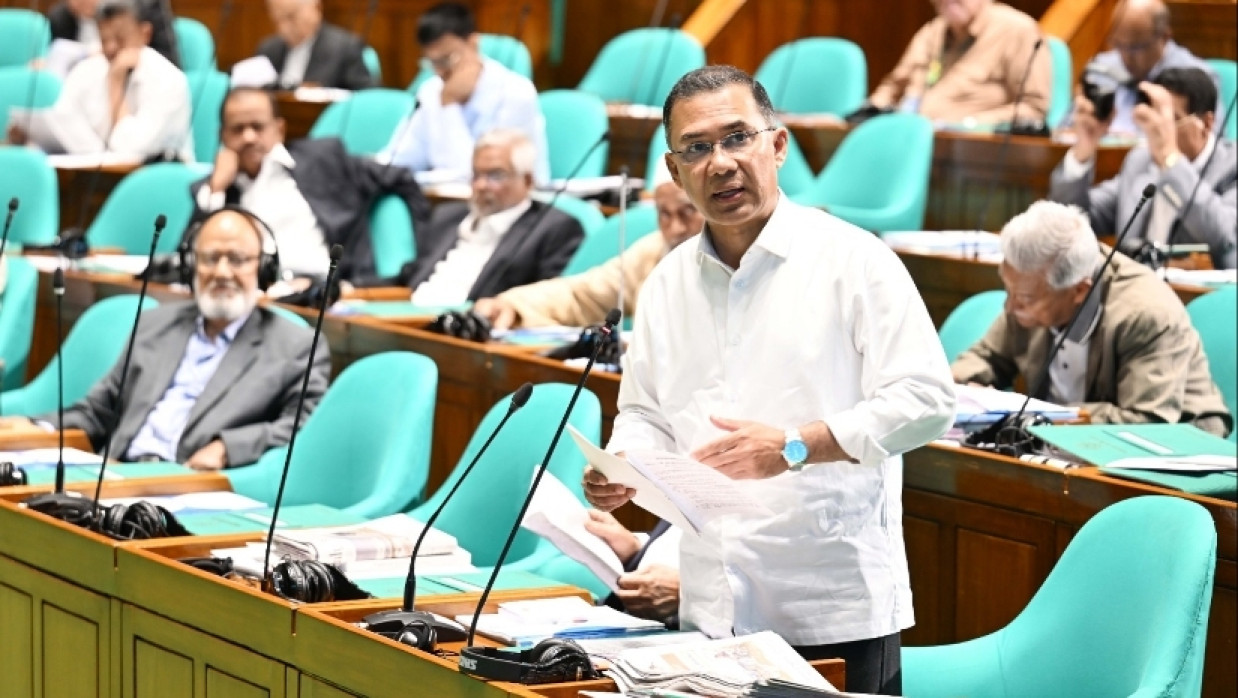
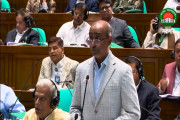
Prime Minister Tarique Rahman on Wednesday outlined a comprehensive 12-point action plan in Parliament aimed at transforming the capital into a "clean and green city." Responding to a query from treasury bench MP Abul Kalam during the question-answer session, the Prime Minister detailed a multi-agency strategy involving the Dhaka North and South City Corporations, the Department of Environment, and international investors.
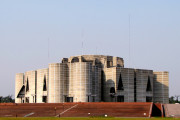
The parliamentary session, chaired by Speaker Hafiz Uddin Ahmed, began at 11:00 AM, where the Prime Minister highlighted that the government is prioritizing environmental pollution control and civic engagement to reshape the city’s landscape.
A central pillar of the plan is the modernization of waste disposal through the upgrade of secondary transfer stations with landscaping and greenery. Most notably, a plan has been initiated to transform the Matuail Landfill into an integrated circular economy-based waste management and energy production center. The project, involving investment from a South Korea-based private company, aims to achieve "zero waste" by converting refuse into energy. These efforts are complemented by weekly awareness programs designed to increase civic engagement alongside intensified cleanliness drives and mosquito control activities.
To combat the urban heat island effect, the government is focusing on massive afforestation and the creation of green spaces. Urban forestry, including Miyawaki forests, is being implemented across Dhaka North City Corporation jurisdictions with a goal to plant 5 lakh trees over the next five years. Furthermore, vacant spaces beneath the Metro Rail from Mirpur-12 to DOHS and the Elevated Expressway from Abdullahpur to Farmgate will be brought under tree plantation programs. These local efforts are integrated into a broader national initiative to plant 25 crore trees over the next five years.
The Prime Minister emphasized strict enforcement against polluters, noting that major air pollution sources have already been identified with support from the World Bank. In collaboration with the Dhaka Transport Coordination Authority, the government is working to introduce modern bus services, including 250 electric buses.
Additionally, regular mobile court drives are being conducted to shut down illegal brick kilns around the capital and penalize vehicles emitting black smoke. Savar Upazila has also been declared a degraded airshed, effectively banning open-air waste burning and unauthorized kiln operations in the area.
To protect Dhaka's vital water bodies, the Department of Environment has mapped the pollution sources of the Buriganga, Shitalakshya, Balu, and Turag rivers, as well as 19 major canals. Effluent Treatment Plants (ETPs) have been made mandatory for industries, with 248 establishments already having installed them.
The government is currently installing cameras for the real-time monitoring of these treatment systems to ensure compliance. The Prime Minister expressed his firm optimism that through this integrated management and increased civic awareness, it would be possible to gradually build a sustainable, healthy, and beautiful Dhaka for its residents.
 Follow The Daily Campus on Google News