From a $5 Fiverr assignment to Head of Marketing at Masdar EOR
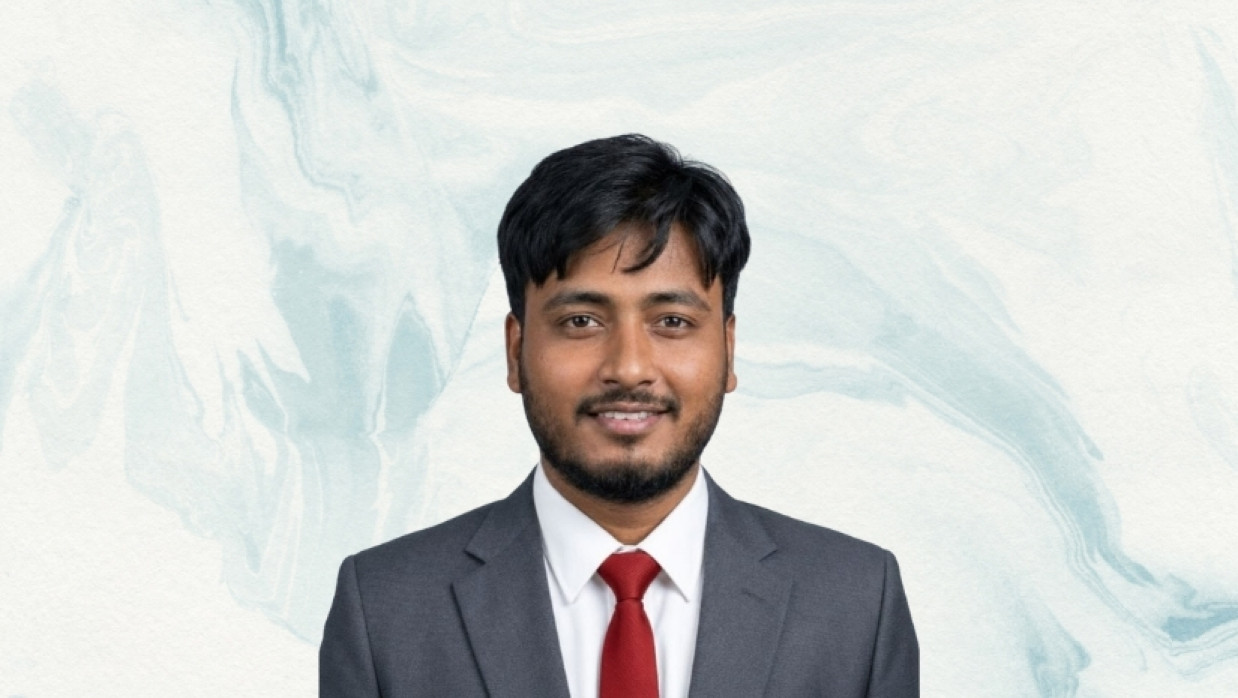
Prosenjit Biswas began his professional career as a freelance video editor while studying Mathematics at Hajee Mohammad Danesh Science and Technology University. He now works as Head of Marketing at Masdar EOR, where he focuses on B2B marketing, lead generation and services related to international employment in the Gulf region. His first freelance assignment was worth $5.
In 2017, during his first year at university, Biswas began offering video-editing services on Fiverr. He says he turned to freelancing after his father became paralysed and he needed an income to continue his education and meet his daily expenses. Within three days of starting on Fiverr, he received a $5 order. The same client later assigned him a $100 project.
Biswas says he earned nearly $4,000 over approximately two years through video editing and production.
His career subsequently moved from freelance video production to marketing. Along the way, he worked with international professionals and business leaders, developed experience in LinkedIn and lead generation, and later moved into broader B2B marketing responsibilities.
Starting with freelance video editing
Biswas said his decision to begin freelancing was primarily driven by financial circumstances.
“My journey began in 2017, during my first year studying Mathematics at Hajee Mohammad Danesh Science and Technology University. My father became paralysed, and I needed to earn money to continue my education and cover my daily expenses,” he said. He initially chose video editing because it was a skill he could offer online.
“Within three days, I received a $5 order. The same client later gave me a $100 project, which encouraged me to continue,” he said.
Over roughly two years, he continued working in video editing and production while studying. Finding regular assignments was not always easy, he said. He began sharing his work on LinkedIn and developing professional connections outside freelance platforms.
Through those connections and freelance work, he worked with international professionals and business leaders, including the CTO of Amazon Payment Services, as well as Josh Noreen, Omar Halabieh and Nick Broughton. He says these assignments helped him improve his communication skills and understand how marketing activities relate to business objectives.
The experience eventually influenced his decision to move from content production into marketing.
Moving into marketing
Biswas' first international marketing position was at Transformative Consulting, where he managed LinkedIn activities and supported lead-generation efforts. The move allowed him to apply some of the skills he had developed while finding freelance clients to a business marketing role. He later joined Masdar EOR as an Assistant Marketing Manager.
Masdar EOR provides Employer of Record services to companies hiring and managing employees across the six Gulf countries through its own licensed local entities. When Biswas joined the company, his responsibilities included LinkedIn content, profile optimisation and outreach.
According to Biswas, the company gained more than 3,000 followers within four months and began receiving business enquiries. He subsequently took responsibility for email marketing and worked with the company's Head of Sales to understand potential customers and their requirements. He says the first four email campaigns generated around 10 positive replies in one month. His responsibilities later expanded to include the company's website, SEO and Google Ads.
As the marketing function grew, he recruited colleagues and helped build a team. Biswas attributes his progression from Assistant Marketing Manager to Head of Marketing to the additional responsibilities he took on and the results he produced. He now leads the company's marketing department while working from Bangladesh.
Focusing on the Gulf market
One of the marketing decisions Biswas considers significant in his work at Masdar EOR was how the company should position itself in the EOR market.
He said larger EOR providers often emphasised their global reach, technology and international networks. Rather than competing directly on those points, he focused on Masdar EOR's own licensed local entities and its presence across the Gulf Cooperation Council region.
“We made this positioning central to our B2B marketing strategy,” he said.
The approach was incorporated into the company's website, LinkedIn content, email marketing and SEO. According to Biswas, the marketing team developed content addressing issues relevant to companies looking to expand into the Gulf, including EOR services in the GCC, hiring employees in the UAE and Saudi Arabia, international expansion, local employment compliance and workforce management.
He said the objective was to attract companies actively looking for EOR services rather than simply increase website traffic.
The team monitored organic search visibility, keyword rankings, website traffic and business enquiries. Biswas said the website had previously generated few meaningful leads. After changes to positioning, content and SEO, he says it began generating approximately 20 to 30 enquiries per month.
He attributed the enquiries to companies interested in expanding into the Gulf or hiring employees without immediately establishing their own legal entities. For Biswas, the experience reinforced the importance of identifying a company's competitive position and communicating it to a specific audience.
Developing B2B marketing skills
Biswas says much of his experience in B2B marketing came through working with business leaders and dealing with different industries and commercial requirements.
His work with senior professionals helped him develop experience in LinkedIn communication and professional relationship-building.
He also says working with the Head of Sales at Masdar EOR helped him understand the EOR industry and its customers. Alongside professional experience, he studied marketing through books and research.
At Masdar EOR, he had the opportunity to test different approaches and measure their results. Over time, his focus shifted from individual marketing channels towards customer requirements, positioning and the relationship between marketing activities and business outcomes.
Working internationally from Bangladesh
Biswas currently works for an international company while living in Bangladesh. He says his compensation is broadly aligned with a Dubai-based pay scale and is higher than comparable opportunities available to him in Bangladesh. He did not disclose an exact amount.
He also noted that compensation for international roles varies according to the employer, position, skills and responsibilities.
A career move that did not work out
One of the setbacks in Biswas' career came during the coronavirus period. He left Transformative Consulting for a position that offered higher pay. The new role, however, focused more on B2C marketing, while his experience and interests were primarily in B2B marketing.
He left the position after approximately three months and became unemployed. He said the experience changed the way he assessed job opportunities.
“I learned not to judge an opportunity by salary alone. The work, team, learning potential and alignment with my strengths are equally important,” he said.
During the period of unemployment, he studied marketing and prepared for his next opportunity.
Since then, he says he has considered professional development and the nature of a role alongside compensation when evaluating career opportunities.
Advice for students
For students interested in working with international companies, Biswas recommends developing English communication skills, particularly writing, speaking and listening.
He said clear communication is important when working with international clients, managers and colleagues because professionals need to explain ideas, ask questions, understand instructions and establish working relationships across different cultures.
He also recommends gaining practical experience through small paid assignments, personal projects or clearly defined voluntary work.
Students should document their work and contributions and include relevant experience in their portfolios, CVs and LinkedIn profiles, he said.
His third recommendation is to continue learning and remain patient. The first opportunity may be small, while rejection and career setbacks are possible, he said. He recommends using those experiences to identify areas for improvement, develop professional relationships and prepare for subsequent opportunities.
He also advises young professionals to research the markets they want to enter and identify the skills employers in those markets are seeking.
Biswas often refers to his first Fiverr assignment when discussing his own career.
“When I started offering video-editing services on Fiverr, my first assignment was worth only $5. I focused on delivering good work, and the same client later gave me a $100 project,” he said.
Writing about remote careers
Biswas now also writes about remote careers and shares experiences from his professional life. His work has appeared in the Arabian Post, Bangladeshi news portals and magazines. He said he wants young people in Bangladesh to be aware that international employment can be pursued while remaining in the country, although opportunities and career paths differ between individuals. His own career has taken him from freelance video editing during university to B2B marketing and, eventually, a marketing leadership position at Masdar EOR.
The transition involved working with international clients, developing new skills and taking on broader responsibilities over time. His first freelance assignment was worth $5. Today, he works in an international marketing role from Bangladesh.
 Follow The Daily Campus on Google News