Is Sheikh Hasina's Political Life Over?
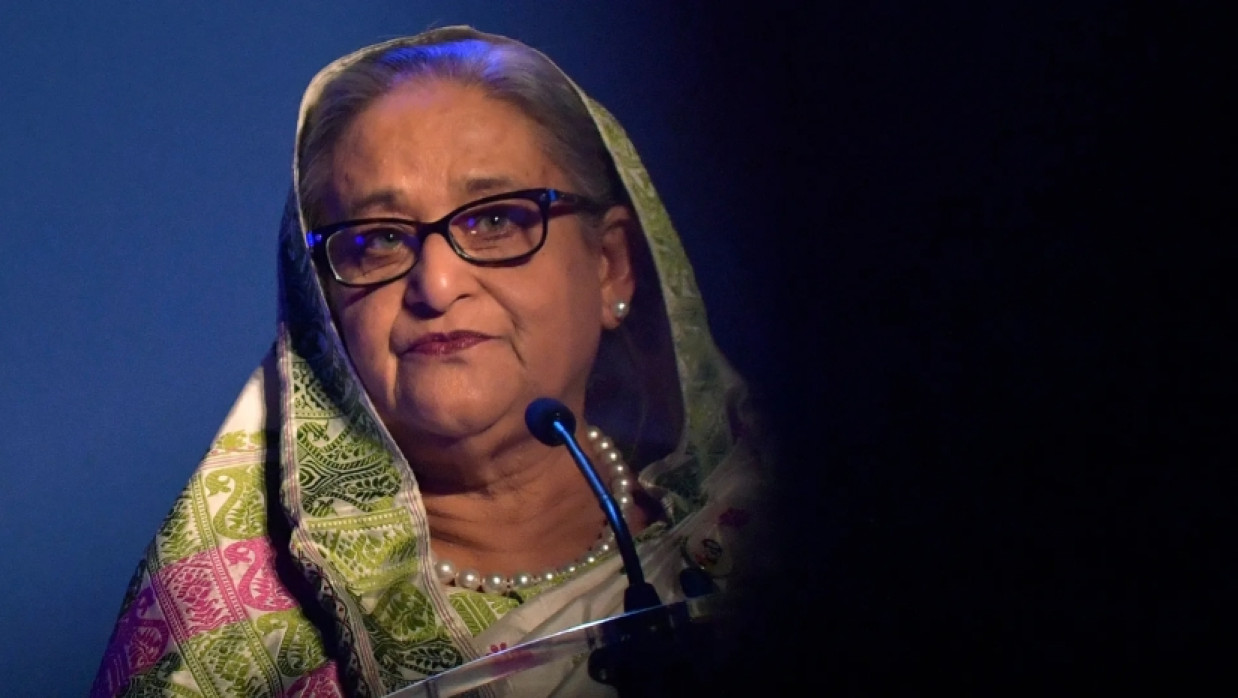
The death sentence handed down to ousted Prime Minister Sheikh Hasina by Bangladesh's International Crimes Tribunal (ICT) on 17 November 2025 has sparked intense debate about her political future and the survival of the Awami League she has led for decades. Convicted in absentia of crimes against humanity for ordering a deadly crackdown on the July-August 2024 student-led uprising that killed up to 1,400 people, Hasina's verdict marks a dramatic fall from power. At 78, exiled in India since fleeing Dhaka on 5 August 2024, the question looms large: can she ever return to Bangladesh politics?
Political analyst Prof Sabir Ahmed is blunt: "She's finished. I don't see any possibility of her returning to her previous position." While politics often defies finality, he argues Hasina's "blunders" – particularly the unrepentant stance on the 2024 violence – have sealed her fate. "If leadership commits such disasters, there is an end," he told BBC Bangla.
Hasina herself dismissed the tribunal as a "kangaroo court" in a statement, calling the ruling "biased and politically motivated" by an "unelected" interim government led by Nobel laureate Muhammad Yunus. Awami League leaders echoed this, labelling it a "farce" designed to dismantle the party. Grassroots activists remain defiant: "No Awami League worker is shaken; the people know it's a sham," one mid-level leader said anonymously.
Yet reality bites hard. The Awami League, banned since May 2025 under anti-terror laws and deregistered by the Election Commission, faces an existential crisis without Hasina. Joint General Secretary AFM Bahauddin Nasim insists: "Her leadership is unquestioned. As long as she lives, we'll advance under her." Leaders claim the party has rebuilt its base in the past year, with Hasina directing from exile via calls and messages. "She told us: whoever works in an area becomes its leader. We've activated every union and ward," a local organiser said.
From India, Hasina has urged grassroots revival, framing the uprising as a "foreign conspiracy." But her refusal to apologise for the deaths – unlike what analysts say could have salvaged the party – has deepened divisions. "She had a golden chance to own the tragedy, step down, and save Awami League. Instead, she's pushing it further into peril," Prof Ahmed noted.
The interim government's 20 November call for her extradition adds pressure, but India – her host since 2024 – has signalled reluctance, citing due process concerns. "Extradition is unlikely; Delhi views the trial as unfair," said analyst Michael Kugelman. Without Hasina's return, appeal rights evaporate after 30 days, per ICT rules.
February 2026 elections exclude Awami League, tilting the field toward rivals like BNP and Jamaat-e-Islami. Hasina's son Sajeeb Wazed has threatened violence if the ban persists, warning of "massive unrest." Families of victims demand her execution for closure, while human rights groups like HRW criticise the Yunus regime for suppressing dissent – echoing Hasina's authoritarianism.
Analysts doubt a Hasina-led comeback. "Her central leaders – about 50 – face years of legal battles; regrouping will be tough," Prof Ahmed said. The party's image crisis, tied to the uprising's unacknowledged horrors, makes revival improbable. "Awami League could reform by distancing from Hasina, but loyalty blinds them," journalist David Bergman observed.
In exile, Hasina clings to command, but her shadow may haunt rather than heal Awami League. As Bangladesh heads to polls, her era feels consigned to history – unless a dramatic twist revives the "Iron Lady." For now, politics without her looks inevitable, and fraught.
 Follow The Daily Campus on Google News