Jennifer Barreto wins Miss Universe 2026 after turbulent year for pageant
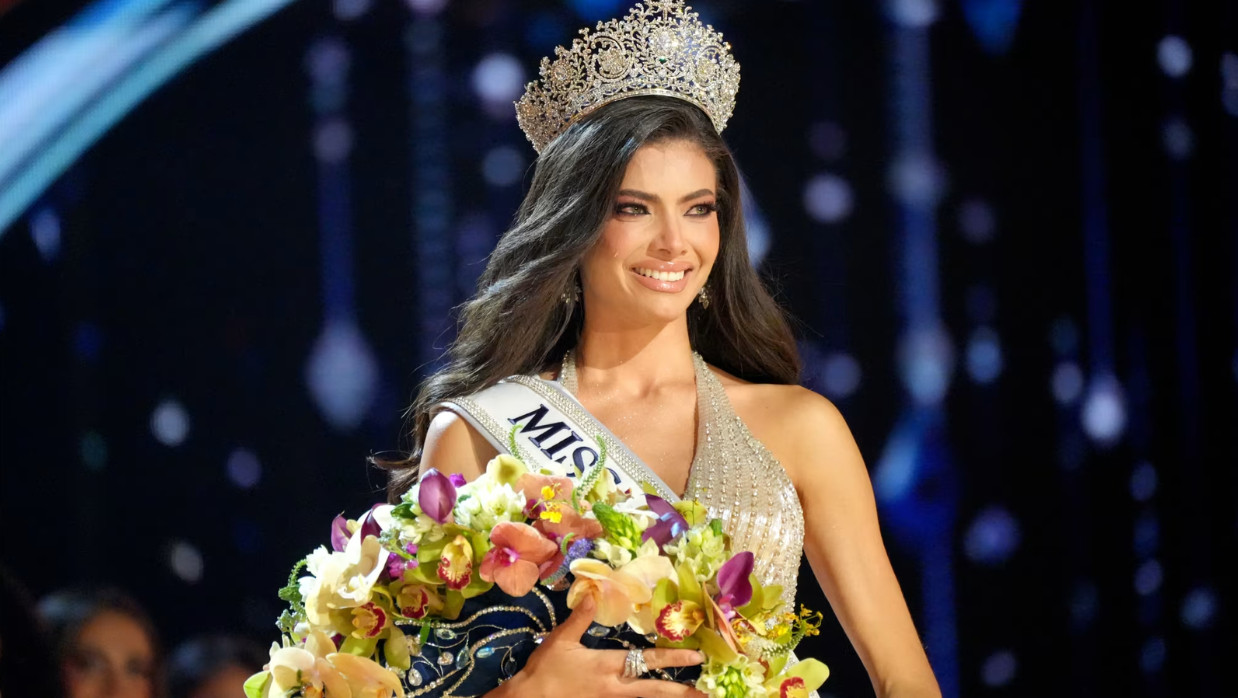
Jennifer Barreto of Puerto Rico was crowned Miss Universe 2026 on home soil, bringing the 75th edition of the pageant to a close after another turbulent year marked by controversies, withdrawals and questions over its judging process.
The 27-year-old social worker defeated 115 other finalists at Tuesday’s grand finale in San Juan, the capital of the US territory. The number of contestants had been significantly reduced by late withdrawals linked to visa difficulties and a business dispute.
Barreto is the first married woman and the first mother to win Miss Universe since organisers lifted their controversial restrictions on contestants who have ever been married or given birth three years ago.
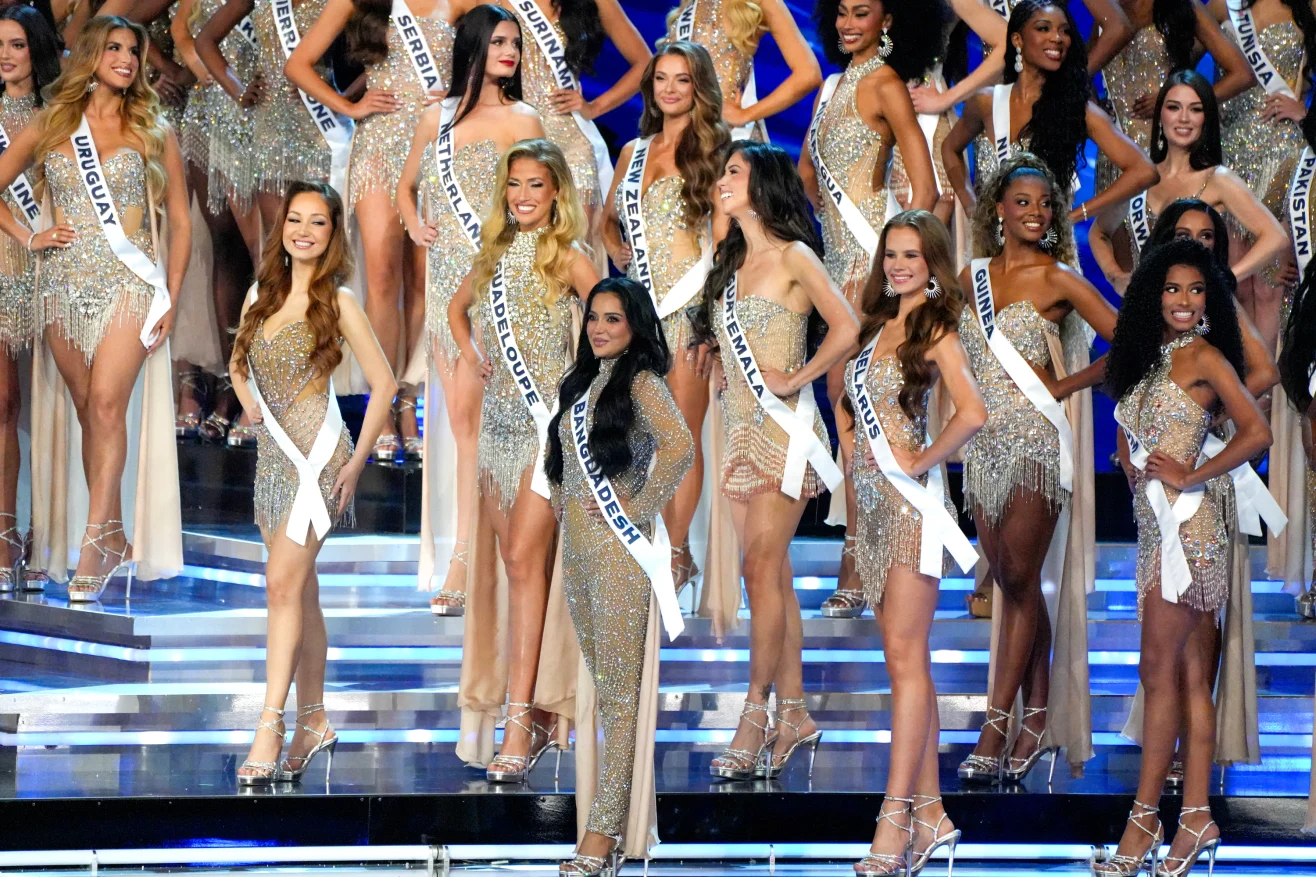
The finale began with an elimination round based on judges’ scores from preliminary contests. Thirty contestants then competed in the swimwear round, with 12 advancing to the evening gown parade. The final five faced questions on topics including the relevance of the Miss Universe pageant and what the world needs from its leaders.
Asked which human value should never be lost amid the growth of artificial intelligence, Barreto responded in Spanish that the “best thing is to use it responsibly”.
“If artificial intelligence puts our values at risk, then they were never values. Values are found in the consistency between what we say and what we do, especially when upholding those things becomes difficult,” she said.
While the finale itself proceeded without major disruptions, controversies had emerged in the weeks and months leading up to the event.
Beauty queens from Nepal and five African countries, including first-time participants South Sudan and the Republic of Congo, withdrew because of difficulties or delays in obtaining US visas.
A contractual dispute between the Miss Universe Organization and Thai businessman Nawat Itsaragrisil, who operates qualifying pageants in six Southeast Asian countries, also kept delegates from Indonesia, Laos, Malaysia, Singapore, Thailand and Vietnam away from the final.
In May, organisers of Miss Universe France withdrew their delegate in protest over the 2025 final, which was embroiled in allegations of vote-rigging and favouritism. The Miss Universe Organization later formed a selection committee to appoint an alternative representative, Garance Authié, who advanced to Tuesday’s Top 12.
Last year, three days before the finale, judge Omar Harfouch resigned, alleging that the results had been pre-scripted by an unofficial “impromptu jury”. He also claimed that the winner, Miss Mexico Fátima Bosch, had prevailed because of her father’s alleged business ties to Miss Universe co-owner Raúl Rocha Cantú.
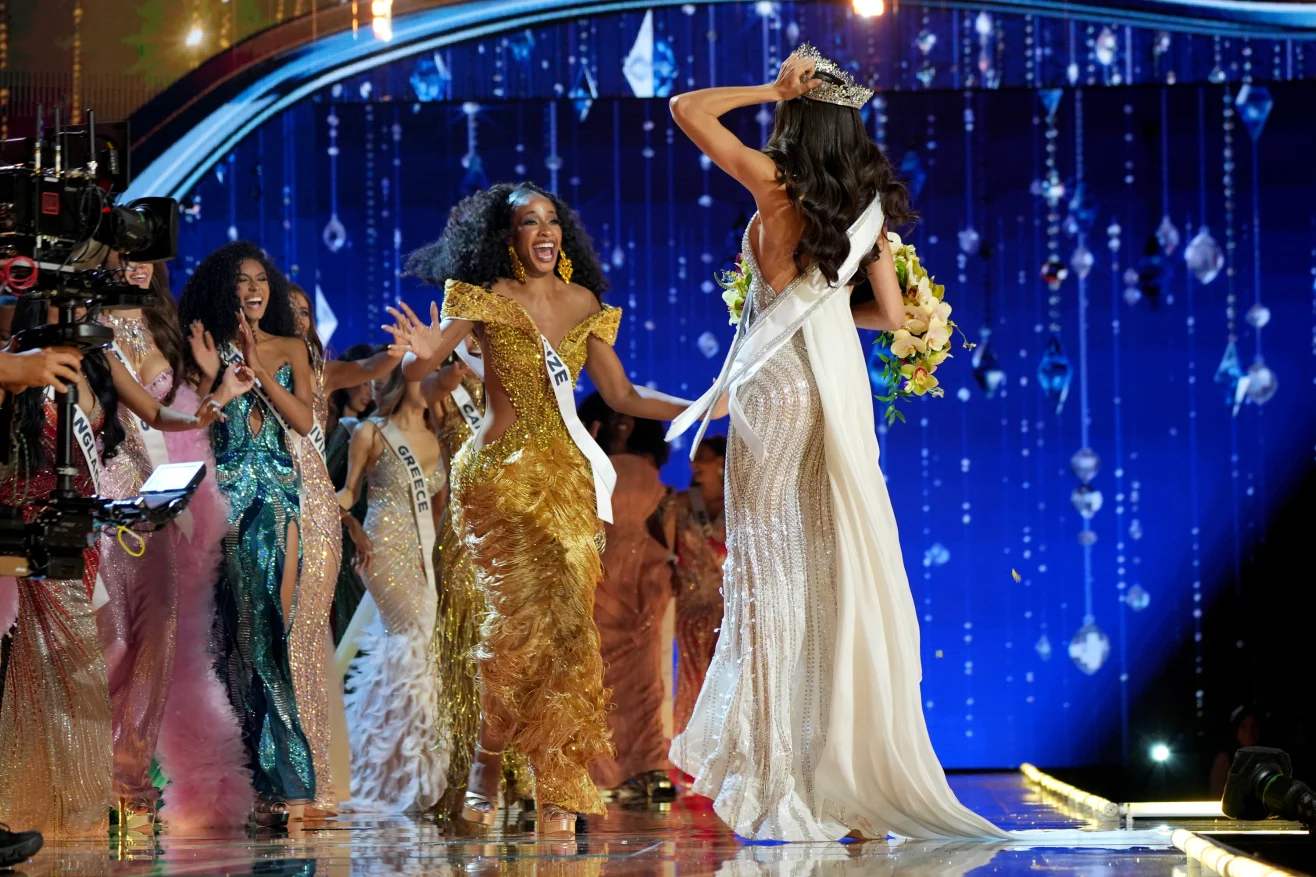
Bosch attended Tuesday’s event and crowned her successor on stage.
The Mexican businessman and the Miss Universe Organization have consistently denied the allegations. However, questions over the judging process continued to surround this year’s competition, with the jury only announced a day before the finale.
Independent auditor Ernst & Young, which previously provided hosts with the results in a sealed envelope, has not been involved in the pageant for three years.
Itsaragrisil was among those calling for reforms to the judging process. He said contestants should know who would judge them, how judges were selected, how scores were verified and how conflicts of interest were handled. He also expressed hope that the six Southeast Asian delegates who withdrew could participate next year.
Despite no longer being a regular fixture on American network television, the competition remains popular among Latino communities. Broadcaster Telemundo reported rising audience numbers for its annual broadcast, saying 2.6 million people watched the Spanish-language screening of the 2025 finale, compared with 2.1 million the previous year.
Puerto Rico has now won six Miss Universe titles, trailing only the United States and Venezuela. The US territory hosted the finale for the fourth time in the pageant’s 75-year history, having previously staged it in 1972, 2001 and 2002. In 2001, Puerto Rican contestant Denise Quiñones also won the title on home soil.
Melissa Núñez of the Dominican Republic and Clara Vegas of Venezuela were named first and second runners-up, respectively, making it a successful evening for Latin American contestants.
The pageant has gradually relaxed its eligibility rules in response to calls for modernisation. In addition to lifting restrictions on married women and mothers, organisers ended a longstanding ban on contestants over the age of 28 in 2023.
Several preliminary events were held before Tuesday’s finale, including closed-door interviews and the national costume contest. During the latter, some spectators booed as Miss Israel Danielle Yablonka walked down the runway wearing a cape bearing the word “peace” in English, Hebrew and Arabic.
 Follow The Daily Campus on Google News