Pilkhana Tragedy
Independent Inquiry Commission to Submit Report Today, Evening Press Conference Scheduled
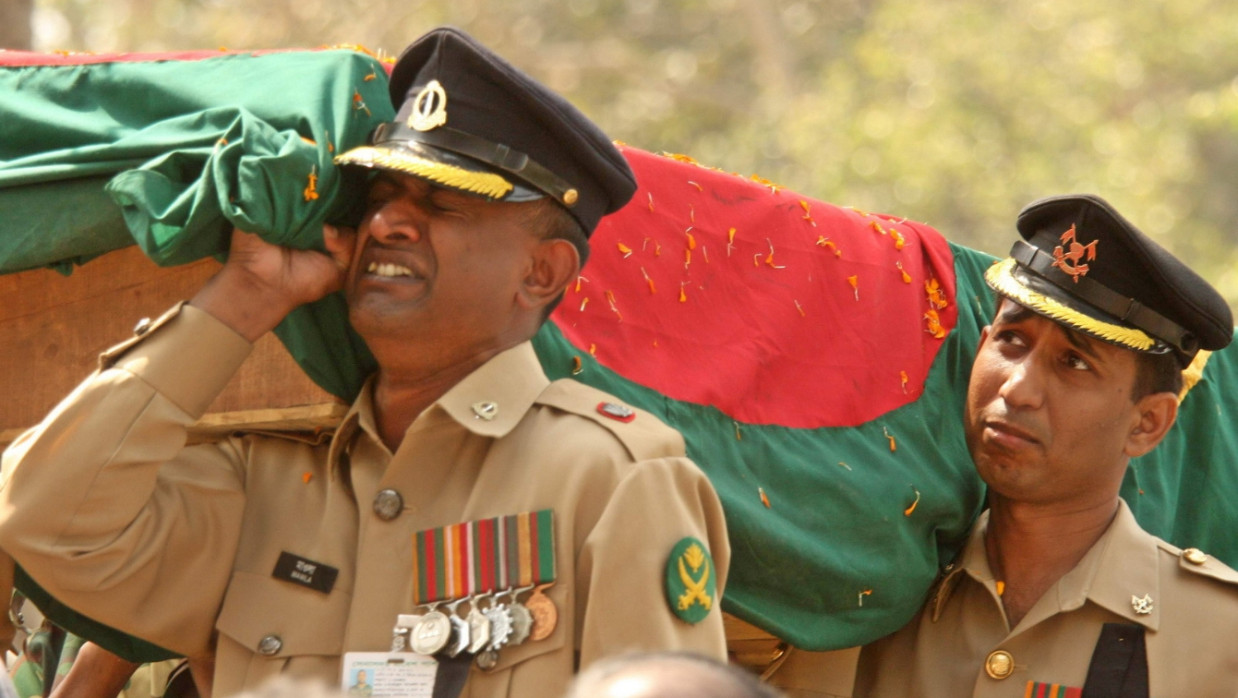
Pilkhana Tragedy: Independent Inquiry Commission to Submit Report Today, Press Conference Tomorrow
The National Independent Inquiry Commission, formed to probe the brutal massacre at the then BDR headquarters in Pilkhana, is set to submit its final report to the head of the interim government today.
The commission also announced a press conference for Sunday (30 November), the last day of its extended term.
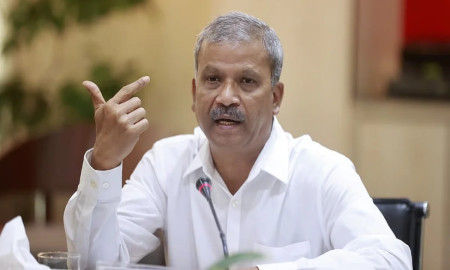
Commission Chief Major General (retd) A L M Fazlur Rahman told reporters on Saturday that the briefing will be held at 6:00pm at the BRICM building in Science Laboratory, Dhaka, to share its findings with the public.
The seven-member panel, led by former BDR Director General A L M Fazlur Rahman, had earlier stated in a 25 June press conference that the Pilkhana killings appeared to be the outcome of a long-drawn conspiracy.
The commission reported evidence of involvement by then-political leaders in various ways, along with efforts to derail the probe and tamper with evidence. It is identifying those responsible, including individuals and organisations.
In response to the report submission, family members of the martyred army officers at Pilkhana will hold a press conference on Monday at 10:45am at the Eagle Hall of the Rawa Club.
Background
Notably, on 19 December last year, relatives of the slain army officers filed a complaint with the International Crimes Tribunal (ICT) against 58 people, including former Prime Minister Sheikh Hasina and former Army Chief Moeen U Ahmed, over the Pilkhana tragedy.
The list of 58 also includes Awami League leaders Sheikh Selim, Sheikh Fazle Noor Taposh, Mirza Azam, Jahangir Kabir Nanak, and several ex-army officers.
This independent National Commission was formed on 23 December last year. Earlier, on 15 December, the Home Ministry had said forming a commission might conflict with court orders, as two cases were already underway.
However, following strong reactions from various quarters, including the Anti-Discrimination Student Movement, the government later decided to set up the commission.
 Follow The Daily Campus on Google News