Bangladesh Enters the Nuclear Age
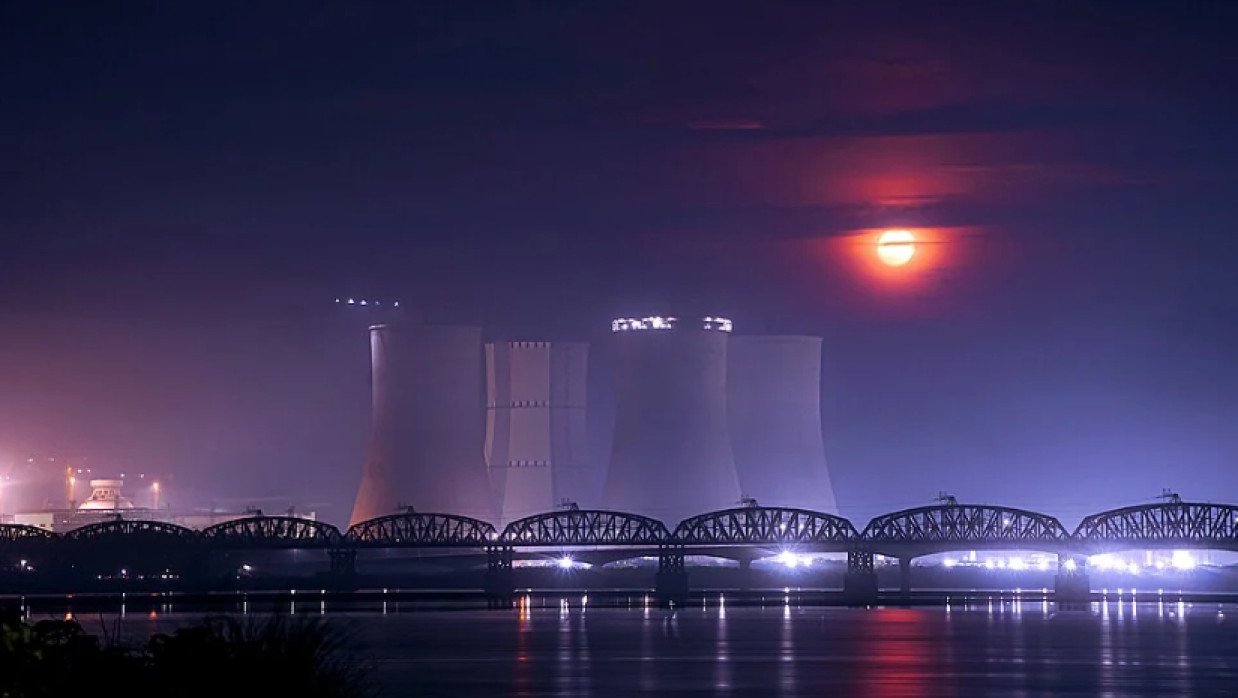
The first unit of the Rooppur Nuclear Power Plant supplied 350MW to the national grid for several hours on a trial basis, but commercial production has not yet begun.
After overcoming various challenges and completing years of testing, electricity generated by the first unit of the Rooppur Nuclear Power Plant has finally been connected to Bangladesh’s national grid.
On Tuesday, the unit supplied 350 megawatts of electricity to the grid for several hours on a trial basis. However, connecting nuclear-generated electricity to the national grid does not mean that commercial power supply has begun.
Earlier, on Monday, project Deputy Project Director Khalequzzaman said the first unit could supply up to 240MW to the national grid for several hours during the trial connection. The plant would then be disconnected from the grid so that necessary tests could be conducted. If everything went according to plan, it would be reconnected after receiving final approval from the Bangladesh Atomic Energy Regulatory Authority (BAERA).
Several project officials, speaking on condition of anonymity, said tests and performance assessments of the reactor, turbine and other key equipment had already been completed successfully.
According to their plan, electricity from Rooppur's first unit is expected to be connected permanently to the national grid on November 21. Relevant government offices have been informed of the plan. A temporary trial connection will be made before the final connection to identify any possible faults or complications.
Heat generated from nuclear fuel will be used to turn water into steam. The pressure of the steam will rotate turbines to generate electricity. Initially, the plant will operate at just 3% of its capacity. Its output will then be increased gradually to 25-30%, allowing regular electricity supply to the national grid. At that stage, the unit could generate around 300MW.
Further safety, technical and capacity tests will continue even after that stage. It may take another five to six months to increase production to full capacity. Commercial production will begin after the trial electricity supply phase is completed.
Power Development Board (PDB) Chairman Engineer Rezaul Karim told the media, “The national grid is ready. We have been asked to have one of our representatives present when Rooppur's electricity is connected to the grid. Accordingly, we have made the necessary preparations.”
Bangladesh Atomic Energy Regulatory Authority Chairman Mahmudul Hasan said the authority's approval would be required before electricity could be connected to the grid. The approval would be granted only after all safety measures had been ensured.
Meanwhile, an expert delegation from the International Atomic Energy Agency (IAEA) expressed satisfaction on Monday with Bangladesh's preparedness, capacity, management and response arrangements for emergencies at the Rooppur Nuclear Power Plant.
The assessment was made during a field inspection under the IAEA's Emergency Preparedness Review Mission in Bangladesh. The meeting was held at the conference room of the Ministry of Science and Technology at the Bangladesh Secretariat.
Sources said the government is planning a formal event to mark the connection of Rooppur's electricity to the national grid. Prime Minister Tarique Rahman and Russian President Vladimir Putin may join the event virtually. In that case, the formal grid connection ceremony could take place either before or after November 21.
Once Rooppur's electricity is connected to the national grid, Bangladesh will become the world's 33rd country to generate nuclear power. The plant was recognised as a nuclear installation after nuclear fuel arrived at the project site in October 2023. Bangladesh was also included in the list of countries possessing nuclear fuel.
The Rooppur Nuclear Power Plant has two units, each with a capacity of 1,200MW. The production target is at least 1,150MW from each unit. After deducting up to 120MW for the plant's own consumption, each unit is expected to supply at least 1,030MW to the national grid.
Under the terms of the agreement, the Russian contractor will have to pay a penalty if the plant supplies less electricity than the stipulated amount. Once both units operate at full capacity, at least 2,060MW will be added to the national grid.
Construction and preparatory work on the second unit are also progressing. If everything goes according to plan, nuclear fuel is expected to be loaded into the unit next year.
Once both units become operational, the plant is expected to increase the country's electricity generation capacity, reduce load-shedding and save substantial amounts of foreign currency otherwise spent on fuel imports. The cost of generating nuclear power is also expected to be lower than that of oil- and coal-fired electricity.
Built with financial and technical assistance from Russia, the Rooppur Nuclear Power Plant is the largest single project in Bangladesh's history. The Bangladesh Atomic Energy Commission, under the Ministry of Science and Technology, is implementing the project. The state-owned Nuclear Power Plant Company Bangladesh Limited (NPCBL) is responsible for operating the plant.
The project's original implementation deadline was December 2025. It was subsequently extended twice, with the new deadline set for June 2028.
Under the original agreement with Russia, the extension did not increase the contractor's costs in euros or US dollars. However, the rise in the dollar exchange rate in the local market has increased the project's cost in taka by around Tk 26,000 crore. Its estimated cost now stands at Tk 1,38,686 crore.
 Follow The Daily Campus on Google News