Who Is Teaching the Youth About Money, Relationships and Mental Health?
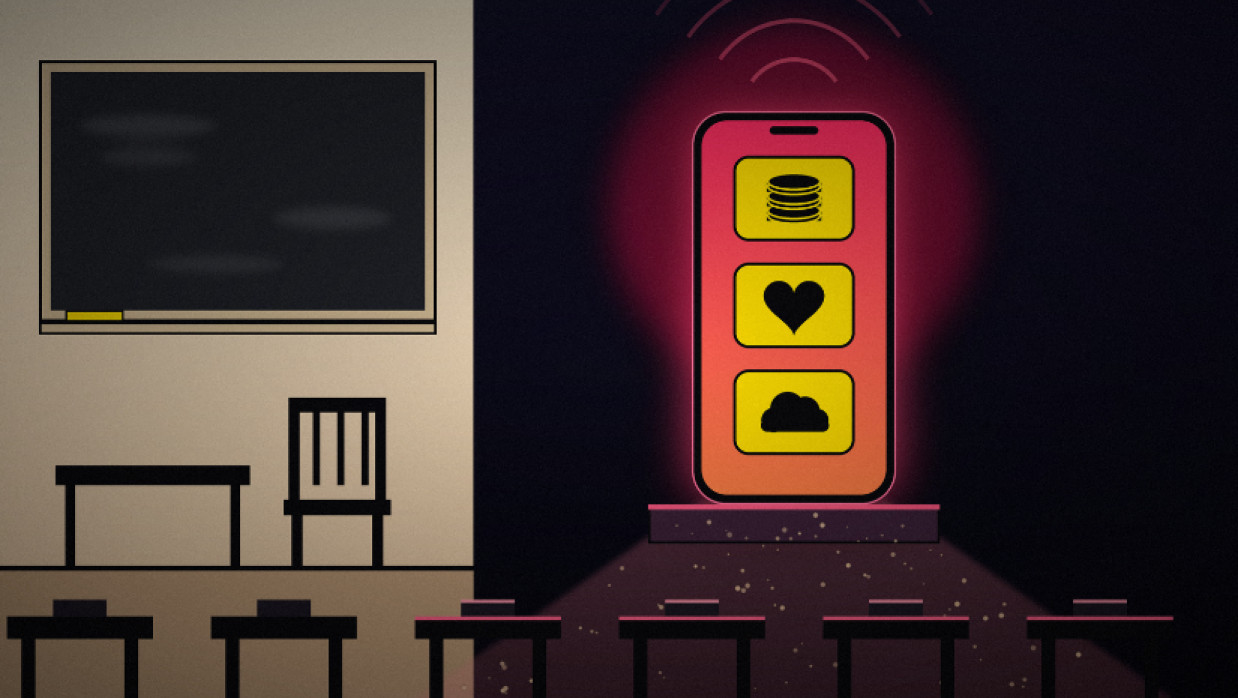
A seventh grader told The Daily Campus that their favourite cricketer, Shakib, appears in betting advertisements on their satellite TV service, on Facebook and across the internet. The student's picture of betting came from screens, not from a teacher. Many young Bangladeshis learn about money, relationships and mental health the same way. This piece asks who is doing that teaching, and how well.
The cost of the gap shows up later. A student who never learned to judge an investment offer can lose family savings. One who never learned to talk about stress may say nothing until it grows. One who learned about relationships from short videos may carry those ideas into adulthood.
These three subjects share a problem: every young person needs them, and few exams test them. In a school system built around high-stakes exams, subjects that carry no marks tend to get less time. They are also sensitive, and published reporting indicates that teachers often skip lessons on puberty, reproduction and relationships because of social taboos and a lack of training.
Textbooks can become political fights as well. In February 2023 the government withdrew two textbooks for students aged 11 to 13 after protests by Islamist groups over content on transgender identities and same-sex relationships. When a topic can cost a textbook its place in the classroom, writers and teachers have little reason to take the risk. The result is that schools leave much of this teaching to others.
Parents are the first teachers, but many do not know where to begin. Researchers at icddr,b note that, because of cultural sensitivity, adolescents feel uncomfortable discussing these questions with parents, teachers and other adults. Family still matters: a 2026 study of rural adolescents found that family members were the most common source of information on sexual and reproductive health, at 43 percent. Parents pass on what they know, and many were never taught these subjects either.
On mental health the gap is wider. The government's 2018-19 national survey found that more than one in eight children aged 7 to 17 had a mental health condition. The World Health Organization's 2025 report put the share of affected children who receive no treatment at about 95 percent, which means 19 of every 20 affected children get no care. Trained counsellors and psychologists are scarce in schools, so a student in distress often turns to a friend, a parent or a screen.
Friends fill part of that space, and the effect can help. In a study of adolescents in Chattogram and Sylhet divisions, 90 percent said they had at least one trusted friend outside their household. An analysis of a national school survey found that students without close friends faced more than double the risk of suicidal behaviour. Friends help, but they know only what they have learned themselves, and much of that comes from the same phones.
The phone sits in the middle of all this. DataReportal counted 64.0 million social media user identities in Bangladesh in October 2025, about 36 percent of the population. In the national adolescent survey, 73 percent of unmarried girls and 66 percent of unmarried boys said they wanted to know about puberty and physical changes. Girls' main source was books, while boys' was the internet, so the two groups often learn different things from different places.
One reason young people prefer online sources, BRAC University researchers found, is fear of being judged by the people they ask. The internet answers without embarrassment, but it does not check its answers. What young people find there ranges from sound health information to myths and explicit content. A 2025 UNICEF Bangladesh poll of about 29,000 children and young people found that two-thirds named fake news and misinformation as their biggest source of stress online.
Online creators add another layer because their income depends on attention. Platforms pay for reach, and commentators have noted that this pushes some creators toward provocative content, including material presented as health advice. A creator who earns from views has no built-in reason to be accurate about a teenager's questions on love or health. Some online sources do fill real gaps, but a young person has little way to tell which.
Money lessons face a similar problem, since securities regulators have warned about campaigns that start on Facebook and move victims into WhatsApp or Telegram groups, where they are pushed to invest through fraudulent apps. Betting apps advertise on Facebook and YouTube, and cybersecurity experts and police officials say operators collect wagers through mobile financial services. Bangladesh Bank issued financial literacy guidelines in 2022, and its school banking programme has opened more than 430,000 school accounts over seven years, according to the Alliance for Financial Inclusion. An account builds a saving habit, but it does not teach a student to spot a fake investment expert.
Dismislab, a Bangladeshi fact-checking group, found Facebook betting ads that used altered audio and video of public figures to suggest the apps were safe. In June 2026 parliament passed a Gambling Prevention Act that bans online betting and lets the government block apps and freeze accounts used for wagers. A ban limits supply. It does not explain to a 16-year-old why the apps are tempting.
Good teaching on these subjects needs accurate information, a trusted messenger and a safe place to ask, and no single source supplies all three. Parents are trusted but hesitant, and schools are credible but cautious. Friends are easy to reach but often know no more than the student asking. Platforms are private and instant, but creators are paid for views, not accuracy.
The topics differ in how contested they are, and the 2023 protests centred on gender and sexuality content, not on saving money or managing stress. Lessons on scams, betting and basic mental health may therefore meet less resistance, and some already have institutional backing. Whether schools have trained teachers and counsellors to deliver them is the open question, and the new curriculum planned for Class 6 in 2027 is the next chance to answer it. Relationships will need a longer public conversation, since that is where schools, parents and religious groups disagree most.
 Follow The Daily Campus on Google News