Primary School Dropout Rate Rises to 16.25% in Bangladesh, Up 3 Percentage Points in a Year
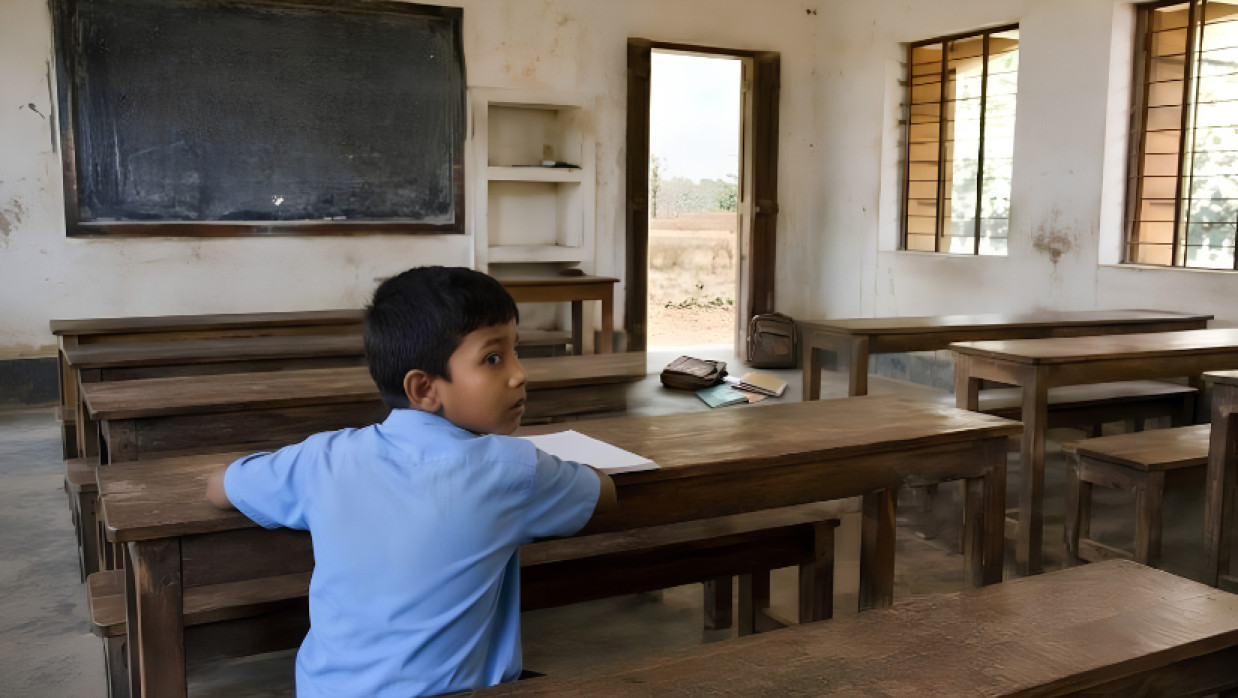
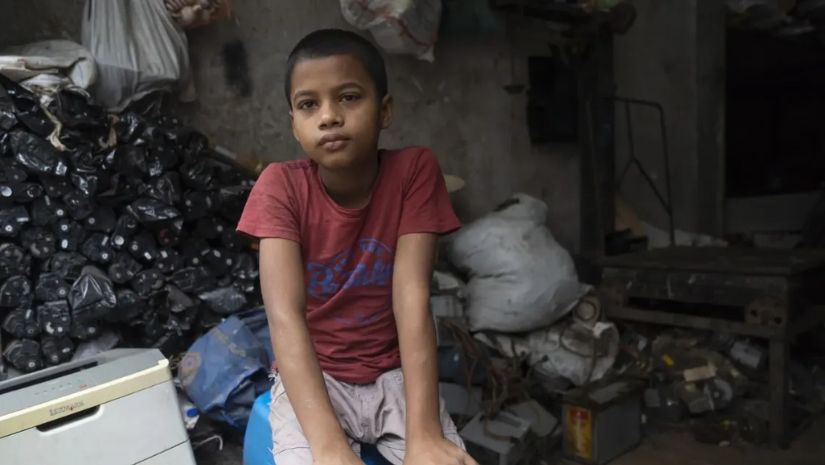
Many children are leaving the education system before completing primary school in Bangladesh. Despite various initiatives to keep students in school, the primary education dropout rate rose from 13.15% in 2023 to 16.25% in 2024, an increase of 3.1 percentage points in a year.
However, questions remain over whether all students classified as dropouts have actually left education. Some are reportedly moving from mainstream schools to English-medium institutions and madrasas. Education experts say the distinction between students who have genuinely left education and those who have transferred to other institutions needs to be examined separately.
The figures were published in the latest Education Statistics report of the Bangladesh Bureau of Educational Information and Statistics (BANBEIS), citing the Annual Primary School Census (APSC) 2024 report of the Directorate of Primary Education (DPE).
According to the report, the primary education dropout rate stood at 14.15% in 2021 before falling to 13.95% in 2022 and 13.15% in 2023. It rose again to 16.25% in 2024.
The dropout rate was 39.80% in 2010. Although it declined over the following years, the latest increase marks a reversal after a long-term downward trend spanning more than a decade.
Government initiatives to prevent dropouts
The renewed rise in the dropout rate in 2024 has highlighted the challenge of keeping children in primary education after years of progress.
Speaking to The Daily Campus about measures to reduce dropouts, DPE Director General and Additional Secretary Shahina Ferdousi said the current government's election manifesto includes a commitment to prevent children from dropping out of education.
"The main objective is to ensure that not a single child is left out of primary education," she said.
She said the authorities were considering the issue alongside the geographical characteristics of different areas and taking steps accordingly. Initiatives include providing children with clothes, shoes and bags, as well as introducing mid-day meals. Free textbook distribution is also continuing.
Emphasising the need to make education enjoyable, Ferdousi said the authorities were working to ensure that children wanted to attend classes. Programmes such as 'Anonder School' are among the initiatives intended to make learning more engaging and prevent students from dropping out.
She added that projects had been taken up to improve educational institutions, while various activities, including online initiatives, were being conducted with children at the centre. The aim is to encourage children to attend school happily, remain enrolled and continue their studies.
The authorities are also focusing on developing children's moral values and humanitarian qualities, alongside improving their skills. Sports and cultural activities are being organised as part of these efforts.
Ferdousi said football tournaments and other competitions were organised at the national level last year, with students from different schools taking part. The events received widespread publicity, and such activities are intended to encourage children to remain connected to their schools.
She said stipends were available to support students, alongside scholarships for meritorious learners. These measures are part of ongoing efforts to reduce dropouts, with further initiatives planned for the future.
Not all students are dropping out, experts say
The DPE collects dropout data only from government primary schools. As a result, some students classified as dropouts may not have left education altogether but may instead have transferred to other types of institutions, education experts say.
Aminul Haque, a statistician in the DPE's Monitoring and Evaluation Division, told The Daily Campus that dropout data were collected only from government primary schools. Professor Md Fazlur Rahman of the Institute of Education and Research (IER) at the University of Dhaka said students leave primary education for multiple reasons.
"A large proportion of those shown as dropouts are moving to English-medium schools according to their families' financial capacity. Another group is moving to madrasas. They are still in education; they are simply moving from one institution to another," he said.
He said the figures therefore reflect both genuine dropout and transfers between institutions. In his view, institutional transfers account for a larger share of the cases.
Shift to madrasas began during Covid-19
Educationists believe the movement of students from mainstream schools to other types of institutions began during the Covid-19 pandemic and has continued since then.
Professor Rahman said the trend started when mainstream educational institutions were closed during the pandemic, while madrasas remained open. Many parents sent their children to madrasas rather than interrupting their education, he said.
"That trend is still continuing and has not stopped. The issue may now be emerging through research," he said. He argued that dropout data should distinguish between children who have genuinely left education and those who have transferred from one institution to another.
Professor Rahman also said differences between the curricula of mainstream education and madrasa education could create difficulties for students moving between the two systems.
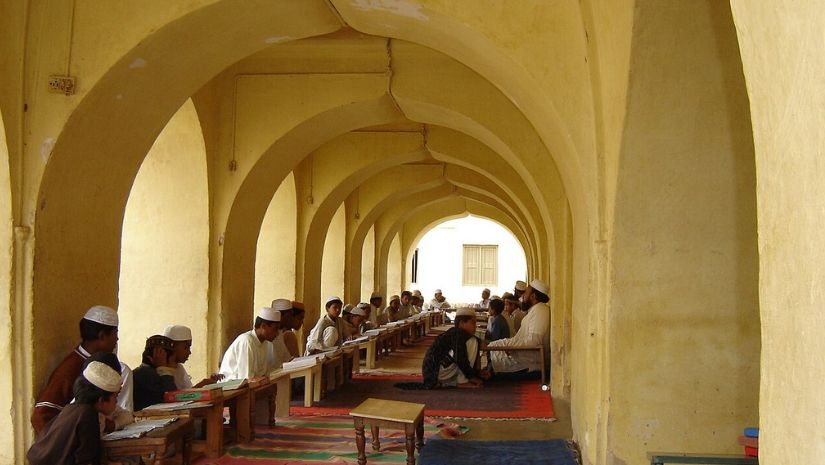
Many parents, he said, do not fully understand the challenges their children may face when transferring between different educational streams. Madrasas place greater emphasis on religious education and Arabic, while mainstream schools give greater attention to subjects such as science, mathematics and English.
As a result, students may struggle to adjust to a new curriculum when changing institutions. He said greater parental awareness and decisions based on children's long-term educational prospects could help increase participation in mainstream education.
Recommending regular meetings to raise awareness among parents, he said schools should maintain consistent communication with families to help prevent dropouts. Regular meetings of school management committees could provide a platform for this engagement.
Parents should be informed that mainstream education may offer a comparatively smoother pathway to further education and entry into the job market, he said. They need to understand which educational stream would best serve their children's future.
Improving food quality in primary schools
Professor Rahman stressed that the quality of food provided at primary schools should be improved to help retain students.
"The government needs to do more to keep students in primary schools. Education must be made enjoyable. The food programme for students needs to be strengthened, and the quality of food must be improved," he said.
He also called for a curriculum that includes content capable of generating students' interest and encourages them to enjoy classes, ask questions and develop a willingness to learn. Teachers need training to deliver lessons through engaging methods, he said. Encouraging teachers to perform their responsibilities sincerely is also essential.
Government needs more awareness campaigns
Professor Rahman said the government should take further steps to encourage children to enrol in and remain in mainstream education.
He said various stakeholders were conducting grassroots awareness campaigns to encourage parents and students to choose religious education over mainstream schooling. These campaigns tell families that children can succeed in the future through religious education, he said.
"However, I have not seen similar government-led awareness campaigns to encourage students to pursue mainstream education or remain in this stream," he said, calling for government initiatives in this area.
The DPE is focusing on financial assistance, improvements to the school environment and extracurricular activities to reduce primary education dropouts. However, education stakeholders say updated data are needed to assess how many students have been prevented from dropping out, how many have returned to school and how effective each initiative has been.
 Follow The Daily Campus on Google News