2% of GDP for education is not just for buildings, says Bobby Hajjaj
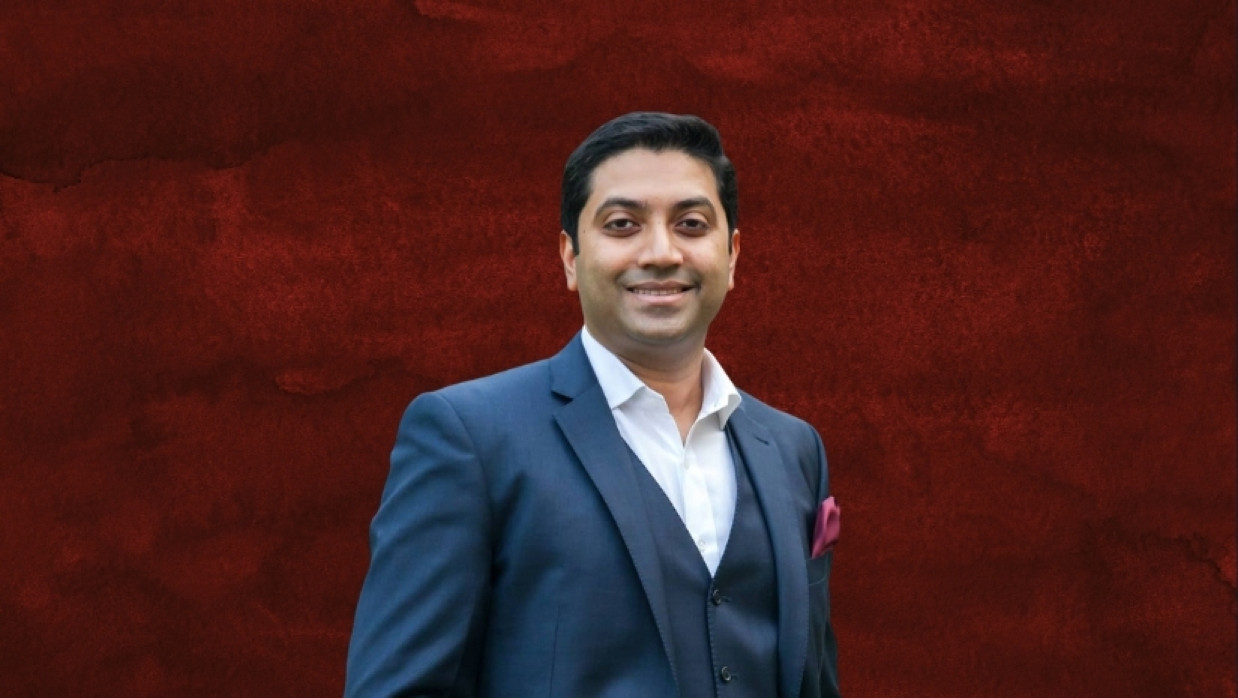
The government’s allocation of 2% of GDP for education will not be limited to building schools and other infrastructure, State Minister for Primary and Mass Education Bobby Hajjaj said on Tuesday.
“The Prime Minister has given 2% of GDP to the education budget. In the future, it will be 5%. This is not just for building infrastructure. This budget will go towards ensuring proper education at the primary level and bringing students back to school,” he said.
The state minister was speaking at an event in the capital marking International Literacy Day 2026, organised by the Bureau of Non-Formal Education on Tuesday (September 8).
Bringing children back into the formal education system will be a major focus, he said. The government is working to ensure that students who have fallen behind first acquire the foundational skills they need, then return to school as quickly as possible.
Several measures are being considered to encourage students to stay in school, including midday meals and uniforms.
“The Prime Minister is taking many measures so that students can learn the foundational things and return to school quickly. There will be midday meals, uniforms, and if anything else is needed in the future, the Prime Minister will arrange that too,” Bobby Hajjaj said.
Accelerated learning to bring students back
The Bureau of Non-Formal Education will have a specific role in this process through its accelerated learning programme, according to the state minister.
The idea, he said, is not simply to provide children with an alternative form of education, but to help them catch up academically and eventually return to mainstream schools.
“The responsibility of the Bureau of Non-Formal Education’s project is to bring them back to school through accelerated learning,” he said.
The programme could also be useful within the formal primary education system. Bobby Hajjaj said the Directorate of Primary Education could use the learning programme developed under the initiative for remedial education.
“That learning programme can be used by the Directorate of Primary Education as remedial education,” he said.
He also pointed to the role of UNESCO, NGOs and other organisations working in non-formal education.
“UNESCO is our partner. Many NGOs and informal bodies are also working with us. We are working to implement the Prime Minister’s vision in the coming days,” he said.
Government wants to expand the programme
Bobby Hajjaj said greater coordination between government agencies working on education would be important as the initiatives move forward.
“There are many areas where we can work together. We are under one ministry and one family, and everyone is working to implement the Prime Minister’s vision for education. We are taking the skills to the next level,” he said.
He also suggested that the current scale of the programmes should not remain limited to a fixed number of districts or upazilas.
“It is important not to take this as 40 districts, 40 locations and 40 upazilas only. It is important to take it forward on a larger scale,” he said.
“We will discuss how we can take the next step and expand it further in the future.”
The remarks come as the government looks to use non-formal and accelerated learning programmes to address gaps in basic education and help children return to formal schooling. The proposed expansion, according to the state minister, would require closer coordination among the Bureau of Non-Formal Education, the Directorate of Primary Education, UNESCO and other organisations working in the sector.
 Follow The Daily Campus on Google News