Australia to restrict family visas for most international students
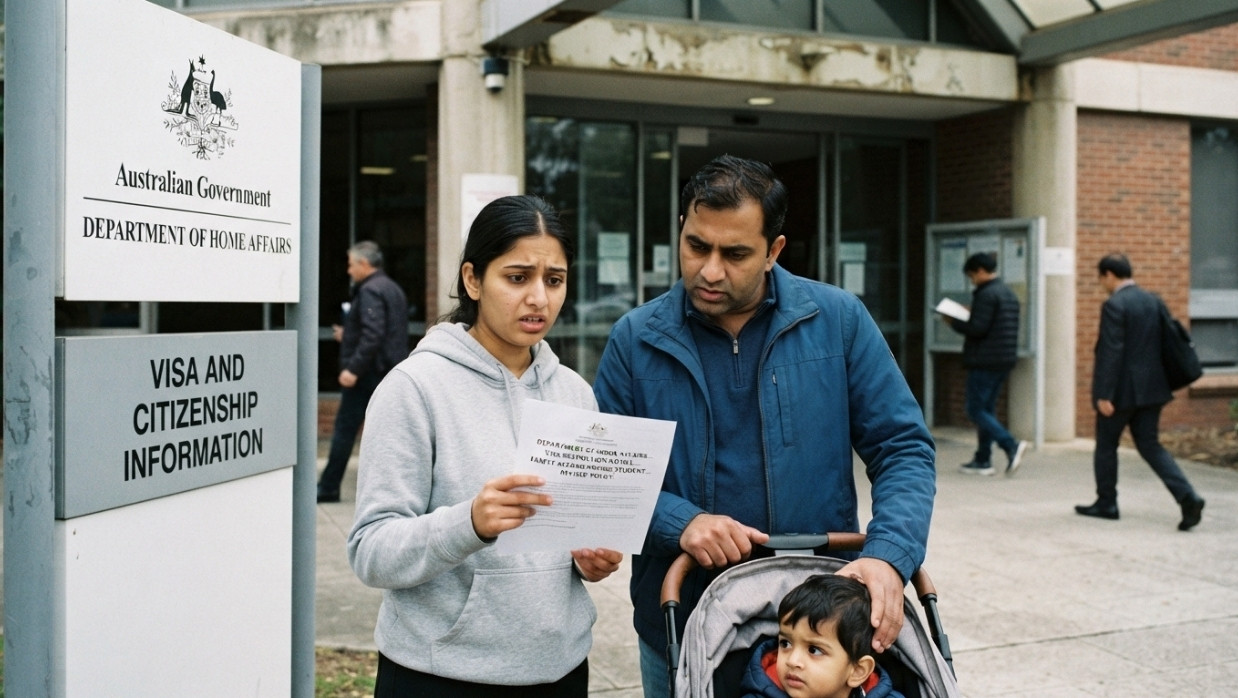
Australia is moving to stop most international students from bringing their spouses and children to the country while they study, as the government introduces tighter controls on temporary migration.
The new restrictions will not apply to students from Pacific and ASEAN countries or to PhD students, who will continue to be allowed to bring family members, Home Affairs Minister Tony Burke announced at the National Press Club on Wednesday (September 16), according to The Guardian.
Australia granted more than 337,000 international student visas last year. About 45,000 visas were issued to family members or dependants of primary visa holders. Under the proposed changes, most international students will no longer have access to this option.
The government also plans to strengthen action against people who remain in Australia after their visas expire and to curb the practice of moving from one temporary visa to another, known as “visa hopping”. Measures will also be introduced to speed up the departure of people staying in the country unlawfully.
Australia targets lower migration
The Australian government wants to reduce net overseas migration to 245,000 in the 2026-27 financial year and 225,000 in 2027-28.
The measures are aimed at reducing migration flows that have remained higher than expected in recent years.
Other proposed changes include adding “no further stay” conditions to visitor visas, prioritising visas for sectors facing labour shortages, and introducing a lottery system for second- and third-year Working Holiday visas.
Why is Australia cutting migration?
Migration increased sharply after Australia reopened its international borders in February 2022 following the Covid-19 pandemic. International students, backpackers and temporary skilled workers became major sources of the increase.
Government data shows net overseas migration reached 518,000 in 2023. It fell to 429,000 in 2024 and stood at 306,000 in the year to June 30, 2025.
According to the latest figures cited in the report, international students accounted for more than half of net migration.
The government has introduced tighter controls on student and other temporary visas in recent years. Burke has also previously identified housing shortages as one of the major challenges facing Australia’s international education sector, arguing that universities and educational institutions need to take greater responsibility for providing accommodation.
Housing pressure adds to concerns
Rising migration has intensified debate over pressure on housing, infrastructure and public services in Australia.
The government says migration policy cannot focus only on reducing the overall number of migrants. It also needs to consider which types of visas should be restricted and how changes will affect different sectors of the economy.
Burke said in August that businesses, farmers, universities and regional communities have different needs for workers and students. The government has also acknowledged continued demand for overseas workers in sectors such as healthcare, education and construction.
Pressure from One Nation
The proposed restrictions on international students' family members come amid a wider political debate over migration in Australia.
The right-wing One Nation party has called for the number of temporary migrants to be reduced to 750,000 over three years. The party later proposed capping total foreign migration at 130,000 a year.
The government, however, says its migration policy will take into account the needs of different sectors and the broader economic impact.
Burke has previously said migration reforms should be implemented as part of a comprehensive approach rather than through isolated measures.
 Follow The Daily Campus on Google News