Who Is Sweden Aslam, the Notorious Criminal Arrested at Dhaka Airport?
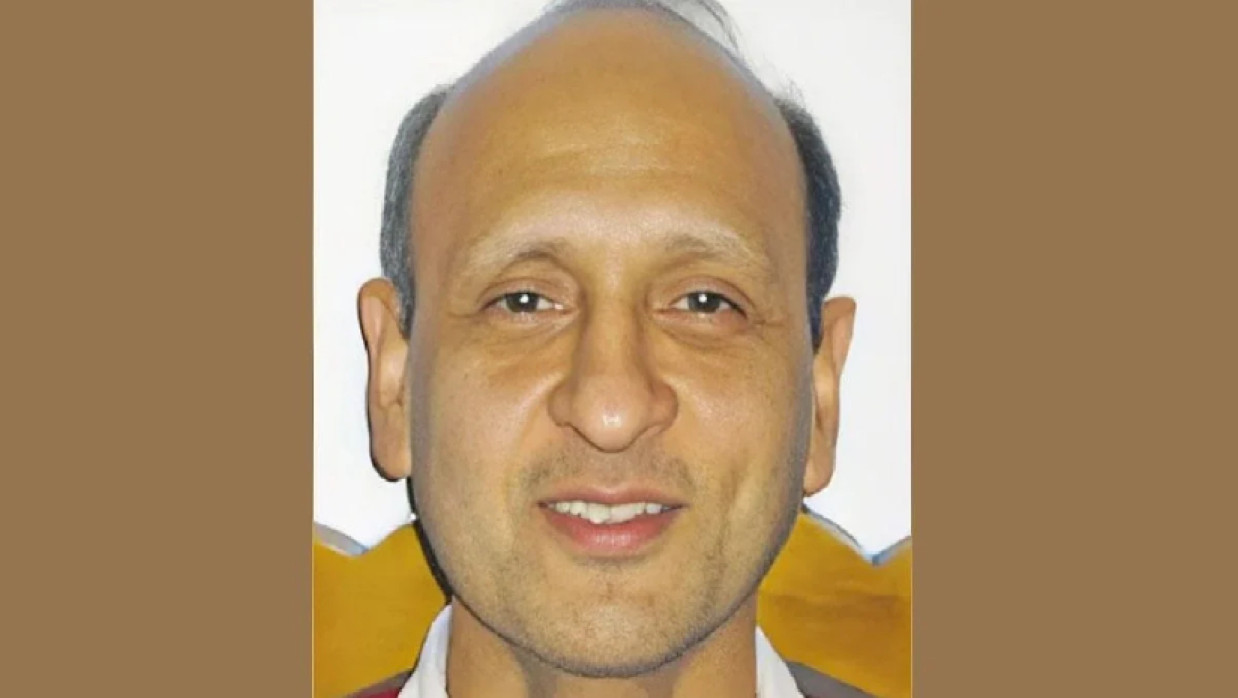
Sheikh Mohammad Aslam, widely known as ‘Sweden Aslam’ and once one of the most notorious figures in Dhaka’s underworld, was arrested by immigration police at Hazrat Shahjalal International Airport while attempting to leave Bangladesh on Sunday night (November 22).
He was preparing to board a Thai Airways flight when immigration police detained him at around 2:30am. He was subsequently handed over to the Dhaka Metropolitan Police’s Detective Branch (DB).
Deputy Commissioner of the Tejgaon Detective Division of DMP, Ziauddin Ahmed, said police had been looking for Aslam for a long time and that several allegations had been brought against him. Police initially learned that he planned to travel to Malaysia via Bangkok, Thailand, although the matter was still being verified.
According to DB officials, at least a hundred complaints, including allegations of extortion, have been submitted against him to the DMP Commissioner's Office. Police have also received allegations that he operated at least five torture cells. Investigators had been working to arrest him in connection with these complaints.
From Tejgaon to Dhaka's underworld
Aslam's family lived in the village of Santhia under Alga Union in Nawabganj, Dhaka. His father, Sheikh Jinnat Ali, owned a rod and cement shop. Aslam lived in Indira Road, Dhaka, and passed his Secondary School Certificate (SSC) examination from Tejgaon Polytechnic School.
He entered the criminal underworld in the late 1980s. He became notorious following a dispute with a criminal known as ‘Chinese’ in Farmgate. His name subsequently became prominent in Dhaka's underworld during the 1990s, eventually earning him a place on the list of the capital's top criminals.
Aslam was accused of shooting Shakil, a schoolboy standing beside his mother outside a school in East Rajabazar, Farmgate, in 1986. Reports published over the years linked his name to a series of murders following that incident.
After the shooting, Aslam reportedly went to Sweden to stay with his wife. He had married Eti, the Sweden-based sister of the criminal known as Chinese, after developing a relationship with him in the Farmgate area. However, his relationship with Eti deteriorated, and the couple eventually separated. Aslam returned to Bangladesh and built his own criminal gang. His stay in Sweden led to the underworld nickname ‘Sweden Aslam’.
After separating from Aslam, Eti returned to Dhaka and married a criminal named Mamun. Aslam subsequently planned to kill him.
In May 1995, Mamun was called to the hideout of Old Dhaka criminal Aga Shamim on the pretext of settling a dispute and was killed there. Three people, including Mamun, were murdered in the incident.
Aslam's second-in-command, Bipul, had helped Mamun and Eti get married. Aslam later had Bipul killed after both his hands were severed with sharp weapons at a field in Madhubagh. Kisluk of Kalabagan, who maintained a relationship with Bipul, was also killed.
Another associate of Aslam was Gabbu. On one occasion, Gabbu's wife Asma informed police about Aslam's movements. Asma was later shot in the chest and killed in front of Gabbu at a slum beside the Tejgaon railway line.
During the same period, Aslam was also accused of killing Rana in Mirpur, Sajjad and Tangail student leader Shamim Talukder.
To maintain his criminal influence, Aslam joined forces with Pichchi Hannan of Karwan Bazar, Subrata Bain of Moghbazar and Tikka.
Arrest, murder case and prison sentence
Aslam was arrested in 1997 following the murder of Jubo League leader Galib. He was 35 at the time. Despite being in prison, he reportedly continued to control criminal activities, maintaining contact with his associates through mobile phones and threatening witnesses in court cases.
He was among the 23 top criminals identified during the BNP-Jamaat four-party alliance government's tenure, becoming one of the most widely discussed figures in Dhaka's criminal underworld.
According to police records, the last case filed against Aslam was over the murder of Jubo League leader Galib in Tejgaon. Galib was killed on March 23, 1997, and a case was filed against 20 people, including Aslam. Police submitted the charge sheet on April 8, 1998. The case remains pending before the court.
Aslam was arrested again on January 31, 2005, during the BNP-Jamaat alliance government's tenure. He subsequently spent several years in prison.
Court cases and release
According to sources at the Ministry of Home Affairs, Aslam was acquitted by the court in four cases involving murder and attempted murder. The state did not appeal against those verdicts. He was also discharged from one case.
On the other hand, he had been sentenced to life imprisonment and 17 years in prison in two cases under the Arms Act. He was subsequently discharged from those cases by the higher court.
Following the fall of the Awami League government, Aslam was released from prison in September 2024. His release became possible after he secured bail in the Galib murder case. He was freed from Kashimpur High Security Central Jail in Gazipur.
After his release, Aslam told the media that he wanted to spend the rest of his life serving people and humanity.
New allegations and airport arrest
Nearly two years after his release, Aslam has again come under police custody amid fresh allegations against him. Investigators are looking into the complaints submitted against him, allegations of operating torture cells and his attempt to travel abroad.
According to information received by police, he arrived at the airport to travel to Thailand on a Thai Airways flight. He was detained when he approached immigration. Sources also said his passport number had been provided to the media.
The circumstances surrounding his planned journey, including the reported route through Bangkok to Malaysia, are being examined by the Detective Branch.
Aslam's arrest has once again brought attention to his decades-long history of criminal allegations, murder cases, imprisonment and release, dating back to his emergence in Dhaka's underworld in the 1990s.
 Follow The Daily Campus on Google News