1,384 Killed in Dhaka Road Crashes Over 6.5 Years; Pedestrians, Motorcyclists Make Up 80% of Deaths
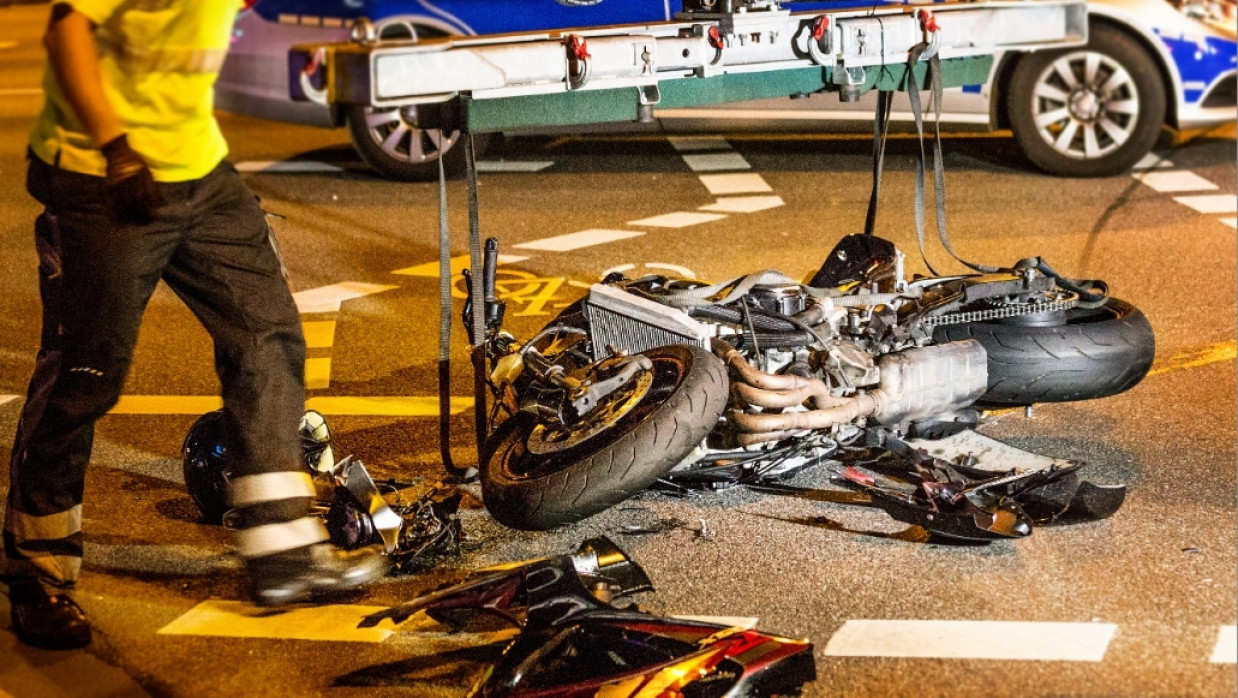
At least 1,384 people were killed and 2,488 others injured in 1,849 road accidents across the capital between 2020 and July 2026, with pedestrians and motorcyclists accounting for more than 80 percent of the total fatalities, according to data released by the Road Safety Foundation (RSF).
Demographic and Victim Breakdown
According to the RSF findings, men constituted the vast majority of the deceased, with 1,034 deaths (74.71%), while 219 women (15.82%) and 131 children (9.46%) lost their lives during the six-and-a-half-year period.
Pedestrians remained the most vulnerable group on Dhaka’s streets, accounting for 592 fatalities (42.77% of total deaths).
Time Distribution of Fatalities
The analysis highlighted that road crashes in the capital occur most frequently during nighttime hours:
-
Night: 519 deaths (37.5%)
-
Morning: 258 deaths (18.64%)
-
Afternoon: 195 deaths (14.08%)
-
Evening: 174 deaths (12.57%)
-
Dawn: 142 deaths (10.26%)
-
Nightfall: 96 deaths (6.93%)
Vehicle Involvement
Heavy vehicles—including trucks, covered vans, pickups, fuel tankers, and garbage trucks—were involved in 33.25 percent of the accidents.
Key Causes and Hotspots
The RSF report attributed the high fatality rate to several systemic factors:
-
Lack of Bypass Roads: Forces heavy goods vehicles to operate inside the capital between 10:00 PM and dawn, often driving at excessive speeds and posing severe risks to pedestrians crossing roads.
-
Traffic Congestion: Prolonged traffic jams induce driver frustration and aggressive driving behavior.
-
Infrastructure Deficits: Inadequate road capacity compared to vehicle volume, mixed movement of slow- and high-speed traffic on shared lanes, encroached footpaths, poorly located or unusable footbridges, and low public safety awareness.
The report identified Jatrabari, Demra, Mohammadpur, Kuril, Biswaroad, and the Airport Road as the major accident hotspots in Dhaka.
To restore discipline and reduce casualties, the Road Safety Foundation recommended introducing company-based bus operations through route rationalization.
 Follow The Daily Campus on Google News