
Rohingya Genocide Case Against Myanmar Opens at ICJ Today After Nearly a Decade
- ১২ জানুয়ারি ২০২৬, ১০:১৬
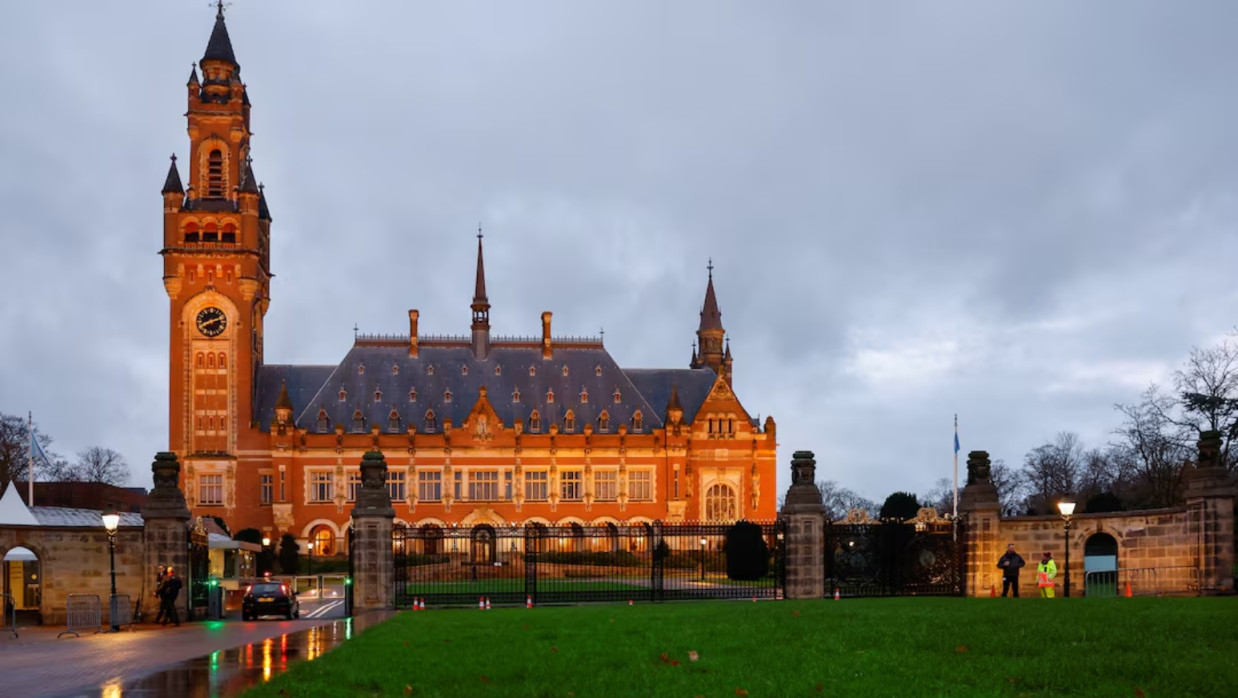
A landmark case accusing Myanmar of genocide against its Rohingya Muslim minority will open hearings at the International Court of Justice (ICJ), the United Nations' principal judicial organ, on Monday.
The proceedings will mark the first full genocide case heard by the ICJ in more than a decade. The outcome is expected to carry implications beyond Myanmar, potentially influencing South Africa's ongoing genocide case against Israel over the Gaza conflict.
Myanmar has consistently denied the genocide allegations.
"The case is likely to set critical precedents for how genocide is defined, how it can be proven and how violations can be remedied," Nicholas Koumjian, head of the UN's Independent Investigative Mechanism for Myanmar, told Reuters.
The case was brought in 2019 by The Gambia, a predominantly Muslim West African nation, which accused Myanmar of violating the 1948 Genocide Convention through its treatment of the Rohingya in Rakhine state.
In 2017, Myanmar's military launched a large-scale offensive that drove at least 730,000 Rohingya across the border into Bangladesh. Refugees reported widespread killings, mass rape and arson.
A UN fact-finding mission described the military campaign as containing "genocidal acts".
Myanmar authorities rejected the findings, describing the operation as a legitimate counter-insurgency response to attacks by Rohingya militants.
In preliminary hearings in 2019, Myanmar's then civilian leader Aung San Suu Kyi defended her country at the ICJ, calling The Gambia's accusations "incomplete and misleading".
The upcoming hearings will be the first time Rohingya victims are heard directly by an international tribunal, though the victim testimony sessions will be closed to the public and media for reasons of sensitivity and privacy.

The hearings begin at 10 am (0900 GMT) on Monday and are scheduled to last three weeks.
Myanmar has been plunged into further crisis since the military seized power in 2021, overthrowing the elected civilian government and triggering widespread armed resistance after a brutal crackdown on pro-democracy protests.
The junta is currently conducting phased elections that have been widely criticised by the United Nations, Western countries and human rights organisations as neither free nor fair.