
Violent Hindu Radicals Storm Bangladesh High Commission in Delhi and Kolkata
- ২৩ ডিসেম্বর ২০২৫, ১৬:৫৬
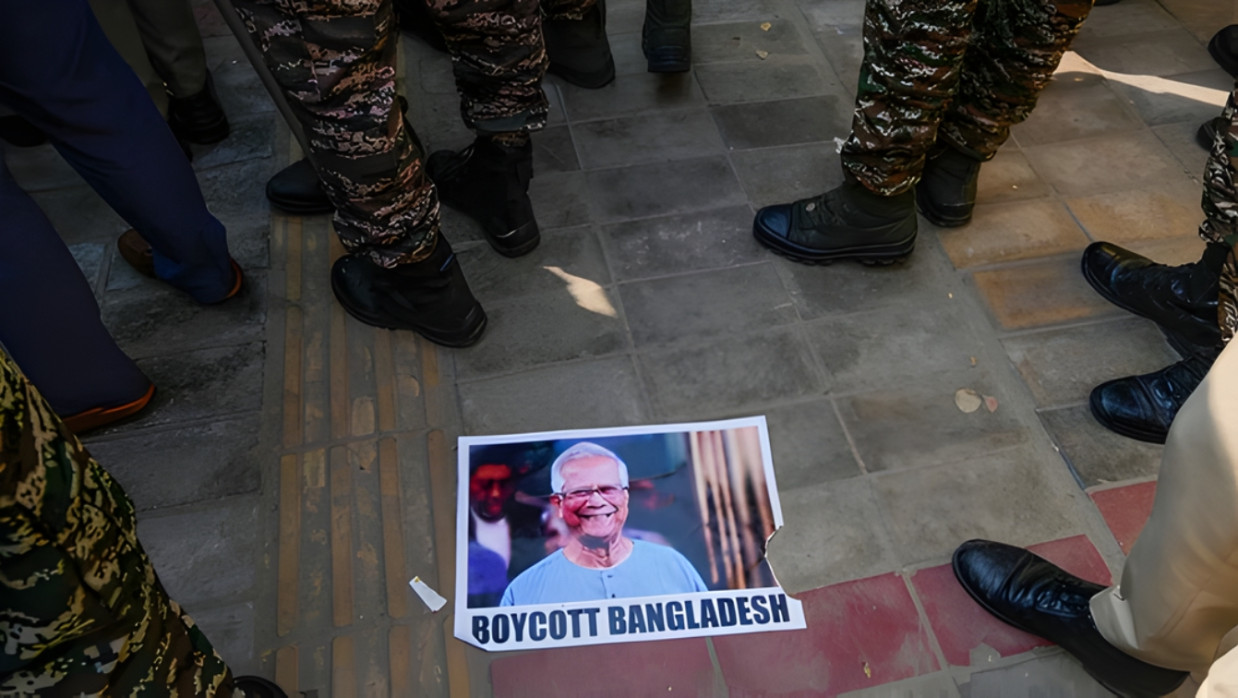
In a brazen display of communal thuggery, hundreds of radical Hindu activists from Vishwa Hindu Parishad (VHP) and Bajrang Dal created mayhem in front of Bangladesh High Commission in New Delhi today protesting the lynching of a Hindu man in Bangladesh. These self-proclaimed "defenders of faith", better known for their history of inciting violence and hatred, broke barricades, raised inflammatory slogans and burnt effigies forcing police to resort to lathicharge to bring the situation under control in the high-security diplomatic area.
The unruly crowd, waving saffron flags and raising provocative anti-Bangladesh slogans, ignored heavy police deployment and multiple layers of barricades set up since morning. Eyewitnesses described the scene as a "calculated riot" where protesters demanded "accountability for every drop of Hindu blood" while conveniently overlooking their own record of mob violence against minorities in India. One banner boldly read: "Hindu rakt ki ek ek boond ka hisaab chahiye", a chilling reminder of the vigilante justice these groups often endorse.

Delhi Police, anticipating trouble from these notorious elements, had deployed additional forces including paramilitary units, but the sheer number of protesters overwhelmed initial containment efforts. "They came prepared to create disorder," a senior officer said on condition of anonymity, adding that the protesters' actions endangered diplomats and disrupted traffic in an area housing several embassies. Several agitators were detained as they tried to breach the compound, but not before the situation escalated into physical clashes.
This is not the first time VHP and Bajrang Dal, outfits linked to numerous hate crimes and communal riots in India, have targeted Bangladesh. The protest stems from the 18 December lynching of Dipu Chandra Das in Mymensingh, Bangladesh, where a mob allegedly beat him to death over blasphemy accusations and set his body on fire. While the incident is tragic and demands justice, the hypocritical outrage of these Indian elements rings hollow given their own role in similar atrocities against Muslims and other minorities in their country.
Bangladesh authorities have already arrested 10 suspects in Das's case with police and Rapid Action Battalion (RAB) conducting joint operations. Yet the Delhi troublemakers appear more interested in stoking cross-border tensions than seeking genuine accountability. In response, Bangladesh High Commission suspended all consular services and visa issuance indefinitely citing the "prevailing security situation", a direct consequence of this orchestrated hooliganism.
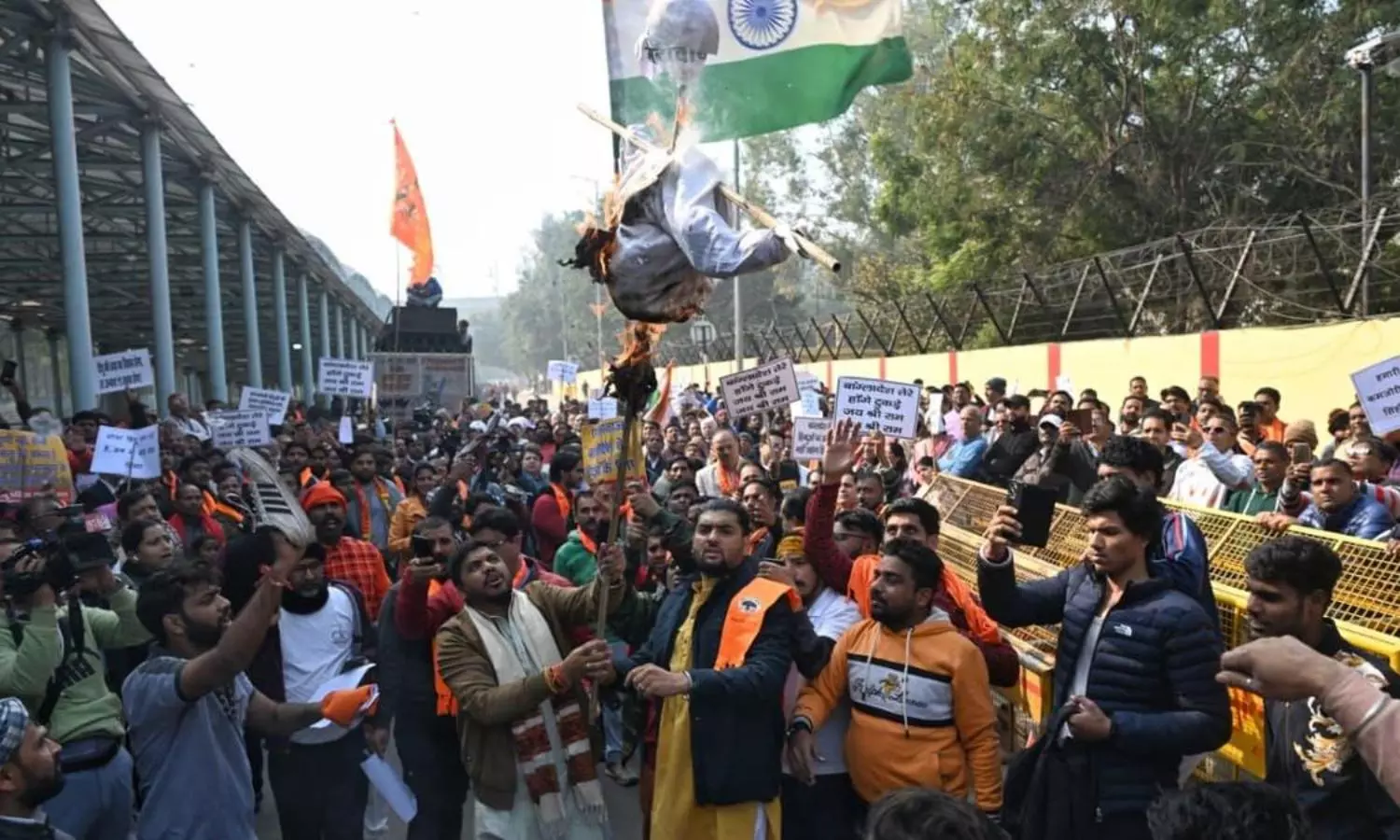
Similar scenes were witnessed in Kolkata where another crowd of Hindu extremists gathered in front of Bangladesh Deputy High Commission. Police detained several protesters chanting "Jai Shree Ram" as they tried to force their way in, highlighting how these groups exploit tragedies for political gain. BJP leader Suvendu Adhikari led a rally condemning the killing, but critics argue such actions only fuel Islamophobia and bilateral discord.
Indian officials have remained tight-lipped, but the incident underscores the growing threat of far-right vigilantism. As one local resident put it: "These elements are not protecting Hindus; they are just looking for excuses to riot." With tensions simmering, calls are growing for stricter measures against such hate-mongering outfits to prevent further diplomatic embarrassments.
Bangladesh has urged India to ensure safety of its missions while diplomats in Delhi remain on high alert. The protests serve as a stark reminder of how extremist elements can hijack legitimate grievances, turning them into tools of division and violence.
The Vishva Hindu Parishad (VHP) has repeatedly been linked to violence, political mobilisation and controversies involving religious minorities, marginalised communities and moral policing in India. It played a central role in the Ram Janmabhoomi movement, including mass mobilisation that culminated in the demolition of the Babri Mosque in 1992. Human rights groups have accused the VHP and its affiliate Bajrang Dal of involvement in the 2002 Gujarat riots, allegations the organisation has denied.
Internationally, the VHP briefly appeared in a CIA classification as a militant religious organisation in 2018, though the reference was later removed. The group has also faced criticism over incidents of cow vigilantism, attacks on couples, opposition to LGBTQ rights and support for controversial figures accused or convicted of serious crimes.