
Saint Martin's Master Plan Proposes Capping Tourism at 900 Visitors Per Year
- ২৫ নভেম্বর ২০২৫, ০৯:৪৭
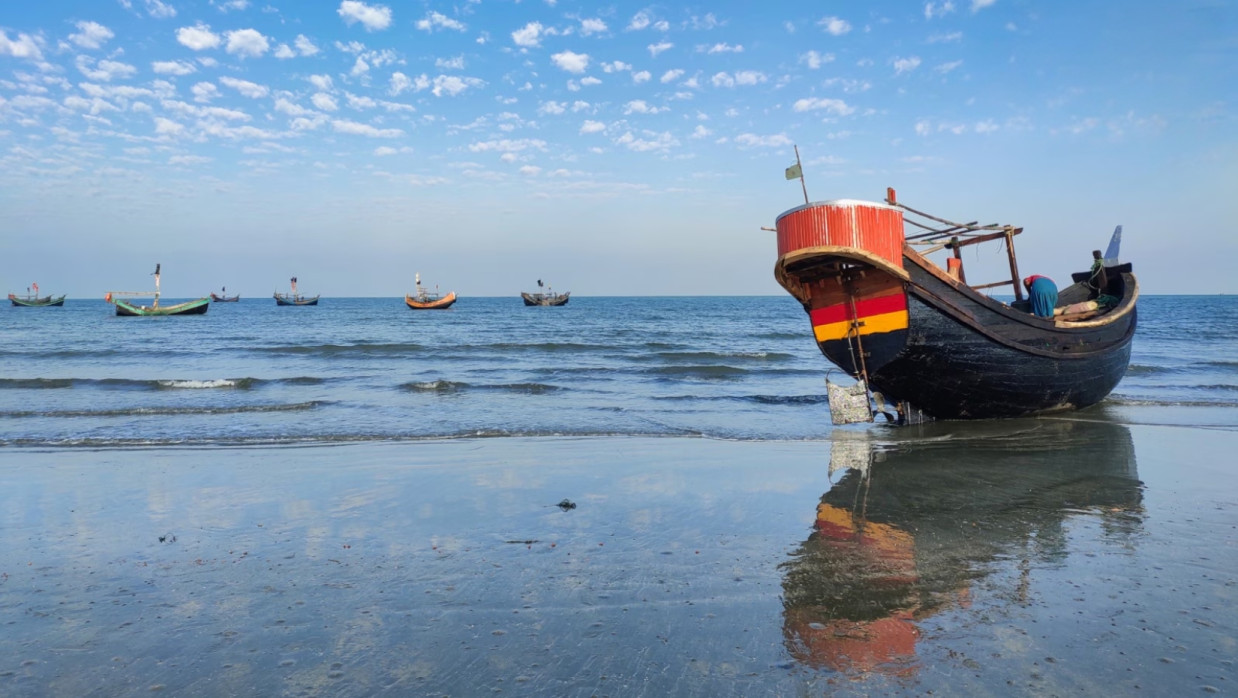
The Ministry of Environment, Forest and Climate Change (MoEFCC) on Monday (24 November) published the draft Master Plan for the ecologically critical Saint Martin's Island and sought written feedback from all stakeholders by 20 December.
The draft, uploaded on the ministry’s portal www.moefcc.gov.bd, proposes a drastic cap on tourist arrivals: a maximum of 500 to 900 visitors per year (instead of the current 3,000–7,000 per day during peak season) to prevent irreversible damage to the island’s fragile ecosystem.
A press release issued by the ministry stated that uncontrolled tourism over the past two decades has pushed the island’s natural beauty and ecological balance to the brink. Infrastructure has nearly doubled between 2005 and 2023, leading to significant loss of agricultural land and green cover.
Key features of the draft plan include:
- Daily tourist limit of 500–900 to protect corals, sea turtles and migratory birds
- Restriction of tourist activities to a designated 4.1-km General Use Zone along the beach
- Nine strategic sectors with 26 programmes covering sustainable tourism, coral and turtle conservation, waste and groundwater management, and livelihood improvement for locals
- Short-term (1–3 years), medium-term (1–5 years) and long-term (1–10 years) actions
- Total estimated cost: Tk 547.9 million, primarily to be managed by MoEFCC
- Encouragement of private-sector participation in biodiversity conservation and waste management
- Establishment of a Management Information System (MIS) and a high-level Steering Committee for monitoring
Saint Martin, Bangladesh’s only coral island, hosts 66 coral species, 269 plant species, 194 wildlife species and serves as a critical breeding ground for endangered marine turtles and wintering site for migratory birds.
Stakeholders have been requested to send their comments to env2@moefcc.gov.bd by 20 December 2025.
The ministry emphasised that successful implementation of the plan will not only safeguard the island’s environment but also improve living standards of the local community and ensure a sustainable future for coming generations.